What is a Landlocked Property?
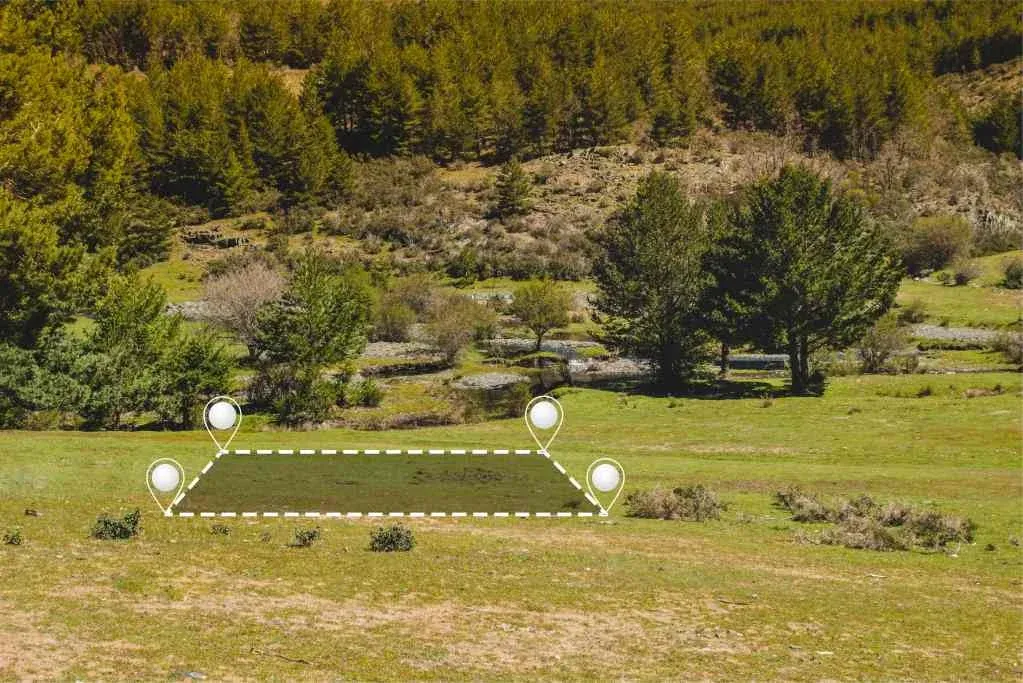
A landlocked property is a parcel of land that has no legal access to a public road or thoroughfare. It is surrounded by other privately-owned properties and cannot be reached by a vehicle without crossing neighboring land. This lack of access significantly impacts the property’s usability, development potential, and market value.
Key Characteristics
No direct access to public roads
Surrounded entirely by other private parcels
Requires legal permission (easement) for access
Why It Matters
Legal Restrictions – Owners cannot legally access their property without an easement or right-of-way.
Development Barriers – Lack of access complicates construction, infrastructure, and utility installation.
Lower Property Value – The inability to access or develop the property often reduces its market worth.
Common Access Solutions
Easement by Agreement: Negotiated legal access from neighboring property owners.
Easement by Necessity: Court-ordered access when no other legal route exists.
Prescriptive Easement: Established through long-term, continuous use of a path.
Land Purchase: Buying a strip of land to connect to a public road.
How to Develop a Landlocked Property
Secure Legal Access – Obtain a recorded easement or right-of-way through negotiation or legal action.
Comply with Zoning Regulations – Research and align development plans with local zoning codes.
Arrange Utility Access – Secure easements for water, electricity, sewage, and internet infrastructure.
Design Around Constraints – Account for limited access in site plans, building orientation, and construction logistics.
Work with Professionals – Hire legal, surveying, and planning experts experienced in landlocked properties.
Engage Neighbors – Building relationships can ease negotiations and community approvals.
Plan for Extra Costs – Include legal fees, easement payments, and infrastructure costs in your budget.
Leverage Municipal Support – Some local governments may assist in establishing access for land use improvement.
FAQs
Can I use landlocked land without access? Not legally, unless you have an easement.
Is landlocked land worthless? No, but its value depends on the potential to secure legal access.
Who grants easements? Typically, neighboring landowners or, in some cases, courts.
Summary
Landlocked properties are inaccessible parcels that require legal solutions for use and development. Easements, zoning compliance, and neighbor cooperation are critical to unlocking their potential. With the right strategy, even landlocked land can become a viable investment or development opportunity.



Capabilities