What does PML mean in real estate and how to calculate it?
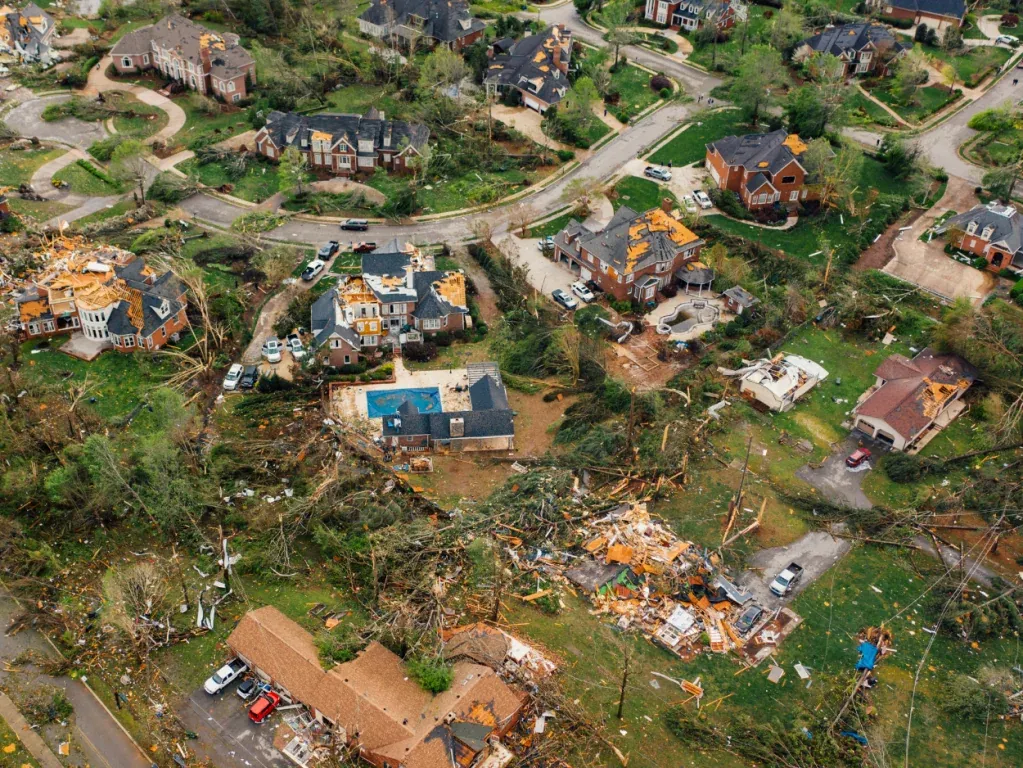
In real estate, PML stands for “Probable Maximum Loss.” Experts mainly use this term in risk assessment.
It applies to properties that face natural dangers like earthquakes, floods, or hurricanes. PML represents the estimated maximum potential loss that a building or property could suffer because of a catastrophic event. It is often shown as a percentage of the property’s value. This helps to understand the potential financial risks associated with it.
Get Portfolio Insights With Leni Analytics
Why is PML important?
PML is a critical factor for property owners, investors, insurers, and lenders. It helps these people understand how a disaster could affect a property’s value. This information helps them make smart choices about investments, insurance, and loans. A property with a high PML may need more insurance and have higher loan interest rates because it is considered riskier.
How is PML calculated?
The assessment of PML is based on a detailed analysis of various factors, including:
The property’s location affects the risk of hazards such as earthquakes, floods, or hurricanes.
- Type of Construction: The materials and design of a building are important. They affect how easily the building can be damaged.
- Older buildings or those in bad shape may have a higher risk of problems. This is because they might have weak structures.
- Local Building Codes: Following modern building codes can help make buildings safer. These codes often require earthquake-resistant construction. This can greatly lower the potential for loss.
- Historical Seismic Activity: The history of earthquakes and other natural events in the area helps us model future risks.
Engineers or specialized risk assessment firms typically conduct PML evaluations using advanced modeling techniques that simulate different hazard scenarios. These models estimate the potential damage to the property under various conditions, helping to determine the maximum expected loss.
Applications of PML in Real Estate
- Insurance: Insurers use PML to determine the appropriate level of coverage and premiums for properties located in high-risk areas.
- Lending: Lenders consider PML when evaluating the risk associated with financing a property, often requiring higher interest rates or additional collateral for properties with higher PML.
- Investment Decisions: Investors use PML to help them understand the risk and return of real estate investments. This is especially important in areas that often face natural disasters.



Capabilities