Everything You Need to Know About Accessory Dwelling Units (ADUs)
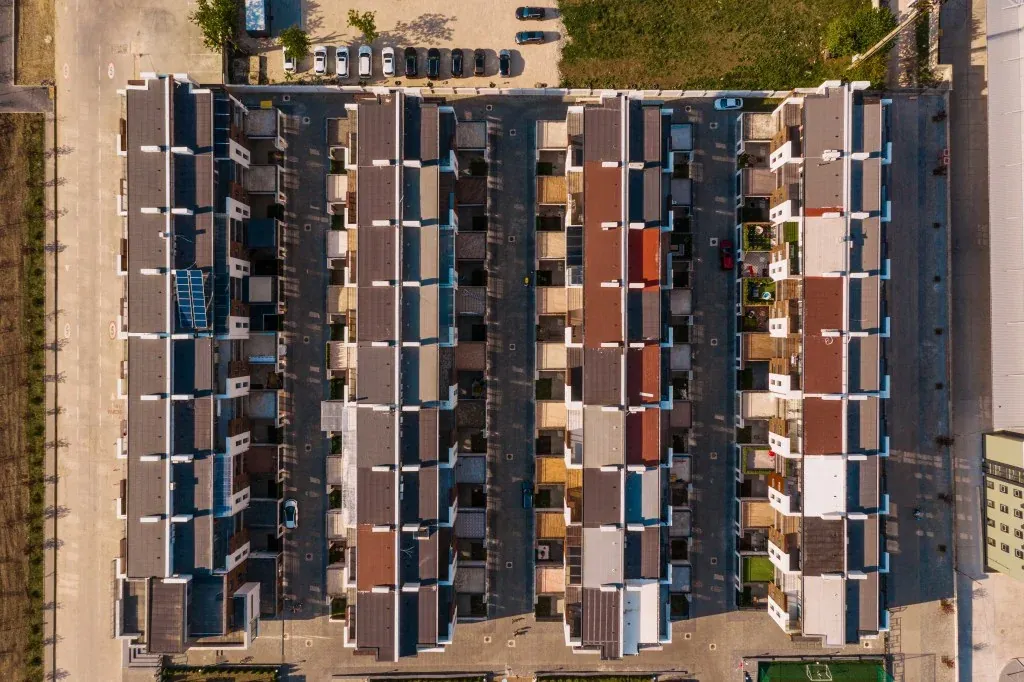
Accessory Dwelling Units, or ADUs, are one of the fastest-growing trends in the residential real estate market. These small but mighty units, sometimes referred to as granny flats, in-law suites, or backyard cottages, offer homeowners and investors an affordable way to create additional living space and generate rental income without the need to purchase new land.
Whether you’re curious about building one on your property or looking to invest in real estate, understanding ADUs is becoming essential. Below is a complete guide covering what ADUs are, their benefits, challenges, regulations, and tips for making the most of them.
The Big Picture: What Is an Accessory Dwelling Unit?
An Accessory Dwelling Unit is a secondary, self-contained living space built on the same lot as a primary home. It can be attached, detached, or built within an existing structure like a basement or garage. Sizes range from small studios to full-size apartments with kitchens and bathrooms.
ADUs have existed for decades but were restricted by zoning laws for many years. In the past decade, cities and states have started loosening regulations to address the affordable housing crisis. As a result, ADUs are now a mainstream solution for multi-generational living, flexible workspaces, and extra rental income.
A Brief History
ADUs first appeared in the early 20th century, when backyard cottages were common in cities like Los Angeles and Seattle. During World War II, they were often used to house military families. After the war, stricter zoning rules limited their construction—until cities like Portland, Oregon began to relax restrictions in the 1980s and 1990s.
Today, ADUs are making a comeback thanks to rising housing costs, remote work, and an aging population.
Key Benefits of ADUs
ADUs offer unmatched flexibility and versatility. Common uses include:
Home offices: A quiet, private workspace separate from the main house.
Guest houses: A comfortable and private option for visiting family or friends.
Rental units: Additional monthly income from long-term tenants or short-term rentals.
Aging-in-place living: A supportive yet independent space for older family members.
Multi-generational living: Separate quarters for adult children or extended family.
They’re not only practical but can also increase a property’s resale value and help address local housing shortages.
Types of Accessory Dwelling Units
ADUs come in several formats, each with its pros and cons:
Detached ADU: A standalone building in the yard. Offers the most privacy but is usually the most expensive to build.
Attached ADU: Connected to the main home, often sharing utilities. Less costly than detached units.
Basement ADU: Built out of an existing basement, typically the cheapest option, but may lack natural light.
Garage Conversion ADU: Turns an existing garage into a living space. Cost-effective but limited in size.
Junior ADU: Small units within the main home, often under 500 sq ft. Ideal for a low-cost entry point.
Hybrid ADU: A mix of two types (e.g., a detached ADU plus a converted garage) to maximize space and income potential.
Regulations and Zoning Laws
Rules for building ADUs differ from state to state and even between municipalities. Some examples:
California streamlined the ADU approval process and removed many local fees in 2017, resulting in a surge in permits.
Oregon passed legislation requiring cities to allow ADUs on most single-family lots, also limiting impact fees.
Illinois still restricts ADUs to specific areas and requires special permits.
Before building, always research local zoning laws, permits, and size requirements to ensure compliance.
Opportunities for Homeowners & Investors
ADUs provide multiple opportunities:
Extra rental income: Homeowners can earn thousands annually renting to long-term tenants or on platforms like Airbnb.
Affordable housing options: Smaller, lower-cost units can help meet local housing demand.
Higher property value: Homes with ADUs often appraise higher and sell faster.
Portfolio growth: Investors can increase cash flow without buying additional land.
Challenges to Consider
While ADUs can be lucrative, they’re not without challenges:
Upfront costs: Building an ADU can range from $50,000 to $150,000 or more, depending on type and location.
Regulatory hurdles: Permits, zoning restrictions, and building codes can slow projects down.
Tenant risks: Like any rental, there’s potential for property damage or late payments.
Design and construction issues: Utility connections, space planning, and compliance with building codes all require expertise.
Overcoming Financial, Legal & Design Hurdles
Financial Strategies:
Research all costs before building.
Explore financing options like home equity loans, construction loans, or government grants.
Create a detailed budget and stick to it.
Navigating Regulations:
Consult with contractors, architects, or attorneys familiar with local ADU laws.
Attend local meetings to understand community requirements and gain support.
Design & Construction Tips:
Hire experienced professionals.
Choose energy-efficient appliances and good insulation to reduce ongoing costs.
Plan layouts carefully to maximize livability and rental appeal.
Finding Properties Suitable for ADUs
If you’re looking to buy a property with ADU potential, evaluate:
Lot size and setbacks.
Zoning rules permitting ADUs.
Utility access and costs of new connections.
Parking and street access for both units.
Use resources like PropertyRadar, online real estate listings, and knowledgeable agents to find suitable properties.
Marketing ADUs to Local Renters
Once your ADU is built, effective marketing can maximize your rental income:
Online listings: Zillow, Redfin, and Craigslist with quality photos and detailed descriptions.
Social media: Showcase your ADU’s unique features on Instagram or Facebook.
Word-of-mouth: Ask friends and family to refer potential renters.
Property managers: Professionals can handle tenant screening, marketing, and maintenance.
To attract premium tenants, consider competitive pricing, offering high-speed internet, full furnishings, and maintaining the unit impeccably.
FAQ
Do ADUs always raise property value?
Often—but value gain depends on quality, legality, and local buyer demand for income suites.
Can I short‑term rent an ADU?
Depends on local bylaws; many cities restrict STRs or require permits. Confirm before underwriting revenue.
How long does it take?
Plan for design + permits (2–6 months, jurisdiction dependent) and build (3–6+ months) for straightforward projects.
What about separate utilities?
Separately metering can simplify operations and resale; feasibility is site‑specific
Final take
Accessory Dwelling Units are no longer a niche concept; they’re a mainstream solution to housing shortages and a powerful tool for homeowners and investors alike. By understanding the benefits, challenges, and regulations surrounding ADUs, you can make informed decisions that maximize both your property’s value and your community’s housing options.
With careful planning, the right financing, and smart marketing, an ADU can be one of the most rewarding investments you make.



Capabilities