What is TI or Tenant Improvement in real estate?
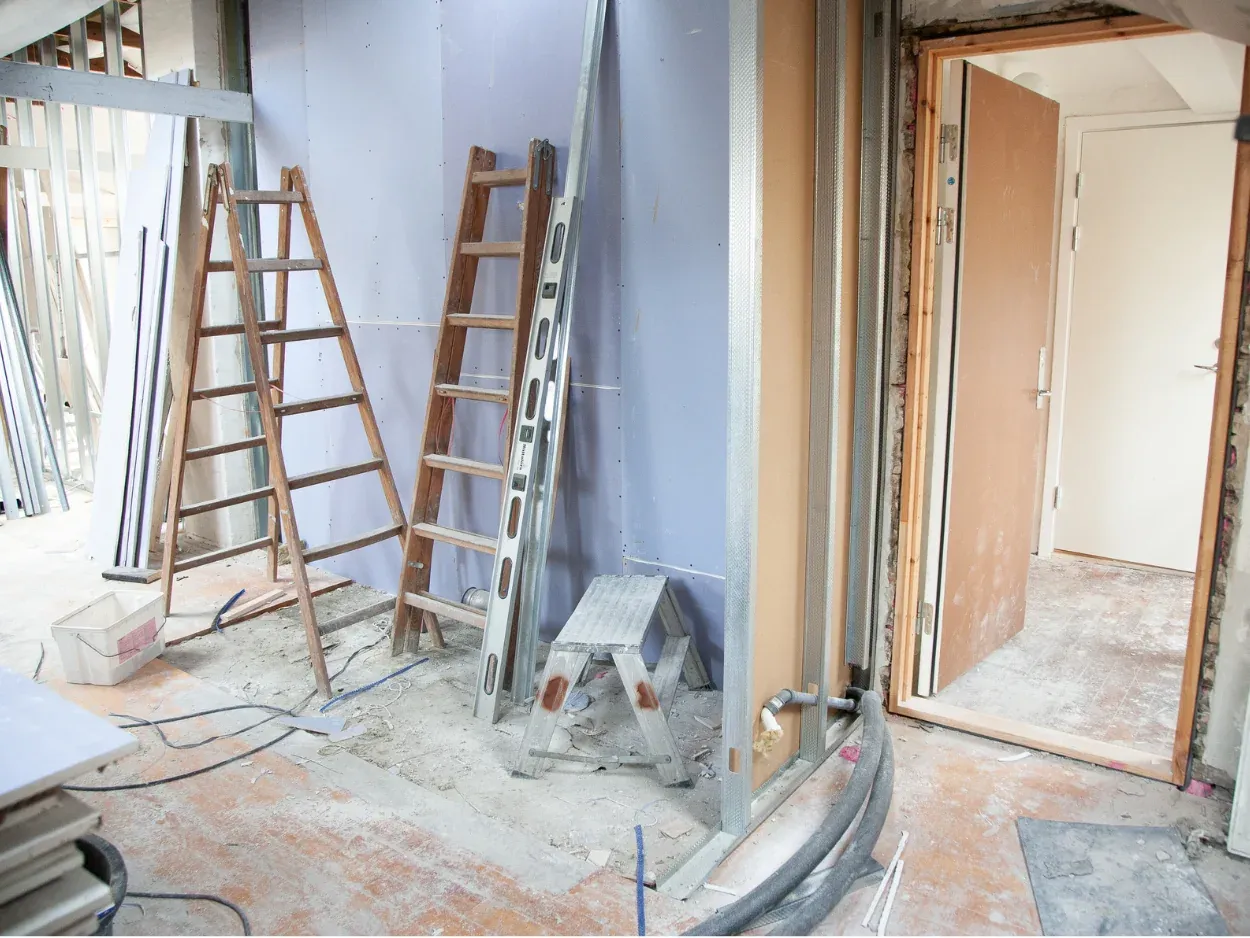
In business property, Tenant Improvement (TI) refers to changes made to a leased commercial space to meet the tenant’s needs. These modifications could range from new floors and lights to completely overhauling the interior layout.
When entering into a lease agreement for commercial space it is common practice that landlords give Tenant Improvement allowances. Tenant improvements, often shown as $20 per square foot, can change based on factors like the lease agreement, length of lease, and rental rate.
Get Portfolio Insights With Leni Analytics
The TI allowance helps pay for changes to the building so it can be used by the occupier. It covers some or all construction costs. However if total cost exceeds this amount then client undertakes responsibility by agreeing to pay for any overage.
The commercial lease agreement outlines the renovation responsibilities and the landlord’s financial contribution. The commercial lease agreement explains who is responsible for renovations and how much money the landlord will contribute. If the tenant finishes the work within six months of moving in, they can use the Tenant Improvement Allowance (TIA). However, this must be done no later than nine months after the end date in the document. Both parties can agree to different terms if they choose.
Additionally, TIA can be influenced by two factors: the length of the lease and how often rent is paid. TIA can be affected by two things: the lease length and rent payment frequency. Longer leases may lead to more tenant improvement allowances. This can be useful when negotiating lease terms with property owners, managers, or agents.



Capabilities