Guide to Data Analytics Real Estate: Insights for 2026
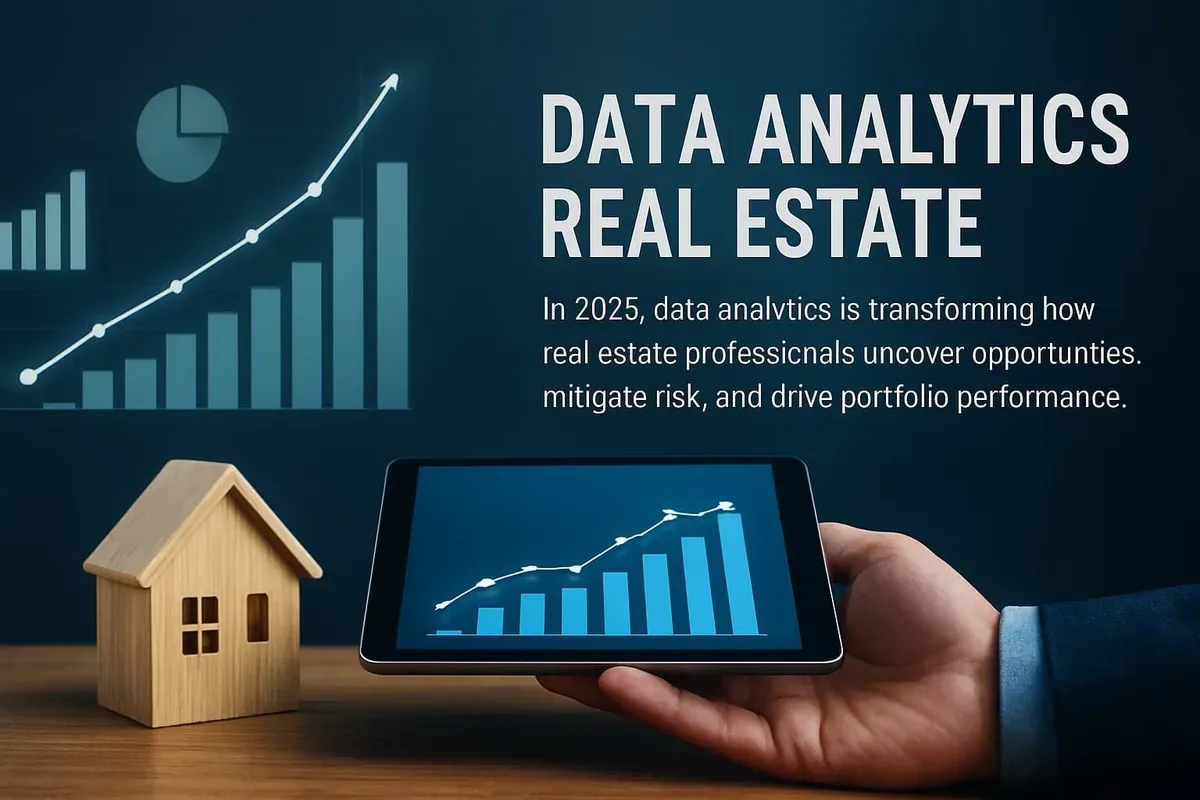
In 2026, data analytics real estate is rapidly redefining how industry professionals identify opportunities, reduce risk, and boost portfolio performance. The pace of innovation is remarkable, with the global business intelligence software market projected to reach $15.8 billion by 2032. This guide will show you how data analytics real estate is revolutionizing decision-making for owners, investors, and asset managers. You will gain a clear understanding of the latest strategies, essential tools, and the trends shaping the industry’s future. We will break down the fundamentals, share actionable use cases, and highlight real-world examples where analytics delivered superior results. Discover how leveraging analytics tools can empower you to make smarter, faster decisions in the evolving world of real estate.
The Evolution of Data Analytics in Real Estate
The real estate industry has long relied on experience, intuition, and static data to guide decisions. Today, the landscape is shifting rapidly. Professionals are trading gut instinct for the power of data analytics real estate, harnessing technology to make informed, timely choices. Interactive dashboards, automated reporting, and AI models now uncover patterns that were once invisible, transforming everything from property valuation to negotiation strategies. This move towards real-time, data-driven analysis is redefining the competitive edge in realestate.
The Shift from Gut Instinct to Data-Driven Decisions
Historically, many real estate choices were based on personal experience, static spreadsheets, or market anecdotes. The rise of data analytics real estate marks a fundamental change. Now, professionals leverage vast, diverse datasets and AI-powered tools to analyze trends in real time. For example, instead of manually calculating property values, teams use interactive dashboards for instant insights. Machine learning models help predict market shifts, refine tenant selection, and optimize transaction timing, delivering results that intuition alone cannot match.
Key Data Sources and Types in 2026
The range of data fueling data analytics real estate is expanding every year. By 2026, key sources include:
- Property values, rental rates, and occupancy data
- Foot traffic analytics and consumer behavior trends
- Demographic, psychographic, and migration data
- Economic indicators and local development plans
- Crime statistics and IoT-driven smart building metrics
Integrating these sources gives owners and investors a holistic view of asset performance and market potential. Real-time access to such data enables faster, more precise decisions, from site selection to risk assessment.
Market Growth and Adoption Rates
The adoption of data analytics real estate is accelerating across the industry. According to recent forecasts, the global business intelligence market for real estate could reach $15.8 billion by 2032. More brokers, asset managers, and REITs are integrating analytics into daily operations. For instance, a multifamily owner using advanced analytics outperformed market averages by identifying underperforming assets and reallocating resources swiftly. This widespread adoption is setting new standards for portfolio performance and risk management.
Core Use Cases: How Data Analytics Drives Real Estate Success
The impact of data analytics real estate strategies is increasingly evident across the industry. By leveraging advanced analytics, real estate professionals can make more informed decisions, uncover hidden value, and drive superior outcomes in every phase of the property lifecycle.
Smarter Property Valuation and Pricing
Accurate property valuation is a cornerstone of success in data analytics real estate. Interactive dashboards and visualizations allow users to analyze current and historical sales, market trends, and neighborhood specifics in real time.
- Automated valuation models integrate diverse datasets for precision.
- Dashboards simplify comparison across properties and regions.
- Real-time data ensures pricing remains competitive and aligned with market shifts.
For example, leading firms have adopted automated valuation approaches that consistently outperform traditional appraisals, resulting in faster, more reliable pricing decisions.
Predictive Analytics for Market Trends
Predictive analytics transforms how market trends are identified and leveraged. By analyzing historical and live data, investors and owners can forecast demand, spot emerging hotspots, and anticipate price fluctuations before they materialize.
- Early insights into neighborhood growth potential
- Data-driven identification of investment opportunities
- Proactive strategy adjustments
To dive deeper into this topic, explore this Predictive analytics in real estate resource, which highlights the practical applications of predictive models in real estate decision-making.
Risk Mitigation and Opportunity Assessment
Data analytics real estate tools offer new levels of risk management. By assessing economic indicators, crime rates, and tenant creditworthiness, professionals can identify vulnerabilities and opportunities within their portfolios. Early warning systems flag signs of asset underperformance or market downturns, enabling timely rebalancing. Portfolio managers now rely on analytics to reduce exposure and maximize resilience, adapting strategies in real time to evolving market conditions.
Optimized Asset and Portfolio Management
With data analytics real estate platforms, asset and portfolio performance is benchmarked against both internal and external KPIs. Operators can quickly identify underperforming properties and deploy targeted optimization tactics.
- Automated benchmarking streamlines performance reviews
- Actionable insights drive operational improvements
- Analytics reveal opportunities for NOI growth and higher occupancy
Multifamily operators, for example, use analytics to monitor trends and adapt leasing strategies, resulting in improved returns.
Enhanced Leasing and Tenant Selection
Data analytics real estate solutions empower leasing teams to make smarter tenant selections by examining foot traffic patterns, trade area demographics, and co-tenancy profiles. Matching the right tenant mix to local demand increases retention and boosts sales for retail properties. Shopping center teams leverage these insights to attract and retain high-performing retailers, creating a virtuous cycle of value for both landlords and tenants.
Essential Tools & Platforms for Real Estate Data Analytics in 2026
Selecting the right tools is central to maximizing the value of data analytics real estate strategies. In 2026, the market offers a robust range of solutions, each designed to address the evolving needs of owners, investors, and operators. The right platform can transform massive datasets into actionable insights, supporting smarter decisions and stronger portfolio performance.
Top 5 Real Estate Data Analytics Platforms:
1. Leni: AI-powered platform designed for real estate owners, asset managers, and private equity, offering real-time analytics, predictive insights, and portfolio-level intelligence.
2. Placer.ai: Specializes in foot traffic analytics, location intelligence, and market trends, helping optimize site selection and tenant performance.
3. Yellowfin: Provides embedded analytics, automated reporting, and AI-driven dashboards for portfolio benchmarking and performance monitoring.
4. RealPage Analytics: Offers deep insights for multifamily and commercial portfolios, including benchmarking, rent optimization, and predictive modeling.
5. CoStar Analytics: Delivers comprehensive commercial real estate data, market intelligence, and predictive analytics to support investment and operational decisions.
These platforms combine advanced analytics, predictive modeling, and user-friendly dashboards to provide a comprehensive view of asset performance. Multifamily operators, portfolio managers, and real estate investors can leverage these solutions to optimize rent, improve occupancy, monitor KPIs, and enhance revenue, ensuring informed decisions in a competitive market.
Step-by-Step Guide: Implementing Data Analytics in Your Real Estate Strategy
Implementing a robust data analytics real estate strategy requires a structured, disciplined approach. By following these six essential steps, owners, investors, and managers can unlock actionable insights and drive measurable performance across their portfolios.
Step 1: Define Objectives and KPIs
Begin by clarifying your business objectives for data analytics real estate initiatives. Are you aiming to maximize occupancy, optimize rent, or reduce portfolio risk? Clearly defined goals will guide your analytics journey and ensure relevance. Identify key performance indicators (KPIs) that align with your strategy. Common KPIs include net operating income, occupancy rates, leasing velocity, and tenant retention. Establishing these benchmarks sets the stage for meaningful measurement and continuous improvement.
Step 2: Collect and Integrate High-Quality Data
Next, aggregate data from both internal and external sources. Pull information from property management, leasing, and accounting systems for a holistic view. Enhance your data analytics real estate efforts by incorporating market comps, demographic shifts, and economic trends. For a deeper look at commercial property data sources and integration best practices, explore this commercial real estate database overview. Prioritize data quality, consistency, and security to ensure reliable analytics outcomes.
Step 3: Select and Deploy Analytics Tools
Evaluate analytics platforms based on integration capabilities, scalability, and feature set. Look for tools offering automation, customizable dashboards, and AI-driven insights to support your data analytics real estate strategy. Ensure chosen solutions can connect seamlessly with your current systems. Consider user experience, real-time reporting, and security features. The right platform lays the groundwork for actionable analytics and future growth.
Step 4: Build Analytical Models and Dashboards
Develop dashboards that make performance tracking simple and intuitive. Analytical models can forecast market trends, optimize rent pricing, and assess tenant risk within your data analytics real estate framework. Use visualizations like heatmaps to spot leasing velocity across submarkets. For practical guidance on leveraging predictive models, see this Predictive Analytics for Real Estate Guide. Well-designed dashboards empower your team to make informed decisions, fast.
Step 5: Train Teams and Foster a Data-Driven Culture
Upskill your staff in data literacy and analytics interpretation. Offer workshops and resources to help team members understand new tools and dashboards. Encourage collaboration between asset managers, leasing specialists, and finance teams. A culture of data-driven decision-making boosts adoption and amplifies the impact of your analytics investments.
Step 6: Monitor, Optimize, and Iterate
Continuously monitor your KPIs and generate automated reports to track progress. Use your data analytics real estate solution to spot trends, identify improvement opportunities, and recalibrate strategies as needed. Schedule regular review cycles to ensure swift operational adjustments. By embracing an iterative mindset, you can maximize returns and stay ahead in a dynamic market.
Future Trends: What to Expect from Data Analytics in Real Estate by 2026
The future of data analytics real estate is evolving rapidly, setting new benchmarks for how the industry operates. As technology matures, professionals are leveraging data to unlock value, minimize risk, and outperform competitors. Let us explore the transformative trends shaping the sector in 2026.
AI and Machine Learning Advancements
Artificial intelligence is now central to data analytics real estate, enabling predictive analytics, anomaly detection, and automated decision-making. AI-driven deal screening tools are streamlining acquisition cycles by rapidly analyzing vast datasets. Industry leaders are integrating machine learning to identify patterns that were previously hidden, leading to more accurate valuations and proactive asset management. For more on these advancements, see the Top Real Estate Tech Trends in 2026.
Real-Time and Automated Insights
The shift from static reporting to live dashboards and automated alerts is redefining operational agility. With real-time data analytics real estate systems, organizations can proactively identify risks and opportunities across their portfolios. Automated insights help teams act swiftly, allowing for faster response to market changes and tenant needs.
Location Intelligence and Foot Traffic Analytics
Location intelligence is transforming site selection and property performance analysis. Foot traffic analytics provide granular data on consumer behavior, helping landlords attract and retain anchor tenants. By integrating these insights, data analytics real estate professionals can optimize leasing strategies and maximize asset value.
Integration with IoT and Smart Building Systems
The convergence of IoT and data analytics real estate platforms is driving operational excellence. Real estate operators use sensor data for energy management, predictive maintenance, and enhancing tenant experience. Real-time utility monitoring reduces costs and improves sustainability, supporting smarter building operations.
Data Democratization and Self-Service Analytics
Analytics is no longer confined to analysts or executives. The democratization of data analytics real estate tools empowers all stakeholders with self-service dashboards and data storytelling features. This broader access fosters a culture of informed, agile decision-making across organizations.
Regulatory and Privacy Considerations
As data analytics real estate platforms grow more sophisticated, regulatory and privacy concerns become paramount. Organizations must navigate evolving data privacy laws and ensure ethical use of analytics. Adhering to compliance standards protects both businesses and clients, reinforcing trust in digital transformation.
Market Outlook and Investment Implications
Looking ahead, data analytics real estate will be a key differentiator for attracting capital and outperforming competitors. Investors are prioritizing firms that demonstrate advanced analytics capabilities and data-driven results. For a comprehensive view of upcoming market shifts, refer to Emerging Trends in Real Estate 2026. The market is set for sustained growth, with new analytics innovations continually raising the bar. As we look ahead to 2026, it’s clear that embracing data analytics is no longer optional for real estate professionals—it’s essential for gaining a competitive edge, optimizing your assets, and making confident decisions. Whether you’re managing a multifamily portfolio or seeking to streamline operations, the right analytics tools can transform how you approach performance tracking, reporting, and revenue growth. If you’re ready to see firsthand how advanced AI-driven insights can elevate your real estate strategy,
Try Leni Now and experience the future of data analytics for yourself.

Leni
Centralize performance signals, surface opportunities, and accelerate data-driven decisions across your multifamily portfolio today.
MEET LENI
Get Portfolio Insights With Leni Analytics
Dive into a live demonstration of Leni Analytics and discover how intuitive data visualization and real-time insights can transform your decision-making process.

Capabilities