The Power of Predictive Analytics in Real Estate Market Forecasting
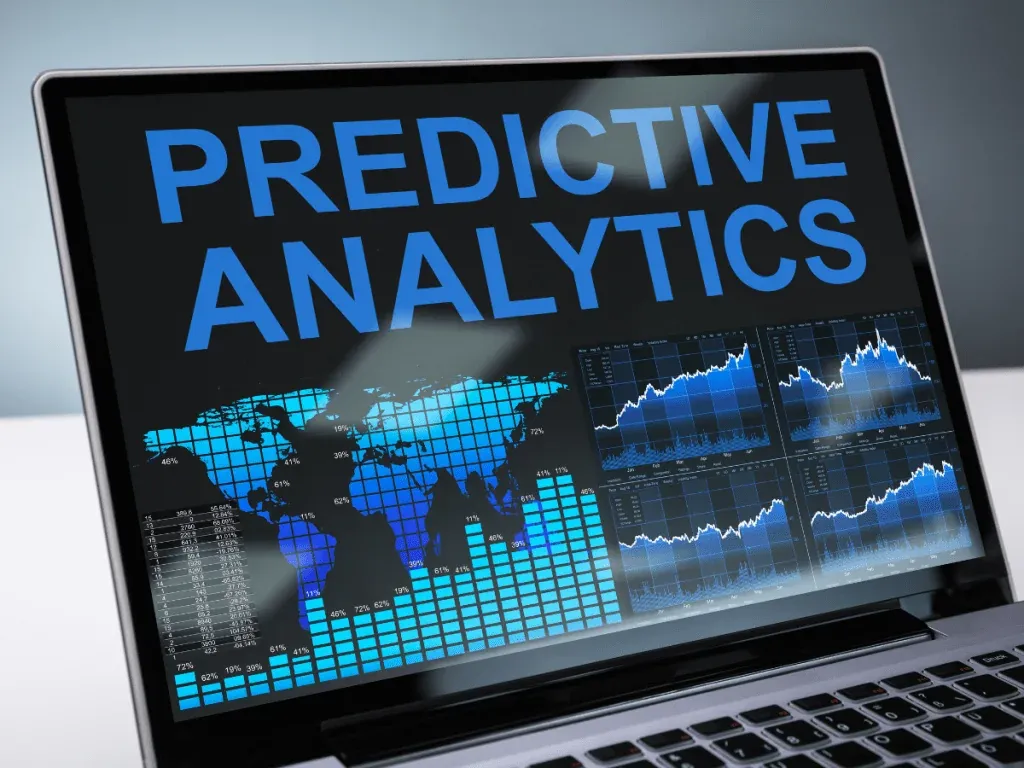
In a market where change is constant, staying ahead of the curve is essential for success. Predictive analytics, a powerful tool powered by advanced algorithms, helps industry professionals make data-driven decisions. By analyzing patterns and trends, this innovative technology provides insights that allow investors, agents, and developers to anticipate market changes and take informed actions.
Predictive real estate analytics has revolutionized how real estate professionals operate, offering unparalleled accuracy and efficiency. This blog explores its role in shaping the future of real estate market forecasting.
Understanding Predictive Analytics in Real Estate
Predictive analytics in real estate uses data, statistical algorithms, and machine learning to forecast future trends and outcomes. By analyzing past property sales, market conditions, and other relevant factors, it helps real estate professionals make better decisions. For example, predictive tools can estimate the future value of a property, identify potential investment opportunities, and predict market fluctuations.
These tools analyze large sets of data quickly and provide insights that would be hard for humans to spot. AI for real estate can also help in identifying patterns, like which areas are likely to see an increase in property demand, or which properties are at risk of declining in value.
For buyers and sellers, predictive analytics can help make smarter choices, guiding them to the right properties or predicting the best time to buy or sell. It’s a powerful tool that saves time, reduces risks, and boosts profits by providing data-driven insights into the real estate market.
Key Benefits of Predictive Analytics in Real Estate
1. Accurate Market Forecasting
Using past data, economic factors, and consumer behavior predictive analytics in real estate makes the future market trends crystal clear. This enables professionals to predict changes in property prices and rental demand, giving them a competitive advantage. Investors can adapt their strategies accordingly, by predicting the market accurately and by discovering prospective booming sectors. And it helps developers plan projects for regions with the most demand, which decreases the chance of overbuilding. Ultimately, market forecasting through predictive analytics reduces uncertainty, enabling smarter investment decisions and ensuring that real estate professionals stay ahead of market shifts, making it an indispensable tool in today’s market landscape.
2. Risk Mitigation
Predictive real estate analytics significantly enhances the risk minimization process of real estate investment. It analyzes neighborhood trends, economic indicators and property histories to identify potential threats that could impact property values. This might include changes in demand (locally), changes in zoning laws and even the possibility of natural disasters. Identifying these risks early enables investors to make educated decisions, steering clear of properties or regions with potential pitfalls. Additionally, predictive analytics can help assess tenant reliability, potential for vacancies, or fluctuations in rental income. With this insight, investors can safeguard their investments and reduce the likelihood of financial losses.
Get Portfolio Insights With Leni Analytics
3. Better Investment Decisions
Predictive analytics can greatly enhance investors’ decision-making process. Predictive models know where to invest and when, by studying large sets of market data. These models use historical trends, past known performance in the neighborhoods, local developments in the neighborhood, and socio economic data to predict future growth. This data presents an opportunity for investors to map out the most promising areas, maximizing the potential return on investment. Predictive analytics can help identify undervalued or appreciating real estate, allowing for better chances. In a market that is competitive, getting data-driven insights is critical for making better, more lucrative investment decisions.
4. Improved Property Valuation
Conventional valuation methods focus on historical sales data, however, predictive analytics provides a more accurate and live approach. Predictive analytics can aggregate such a broad array of variables, including but not limited to location-specific economic data, property conditions, and market supply and demand, resulting in a more accurate and timely analysis of property value. Furthermore, it incorporates future market forecasts, providing a more anticipative view that conventional approaches often overlook. It gives you a more reliable and realistic estimation of property values if you are buying, selling or are looking at an investment opportunity. Without accurate property valuation we run the risk of over pricing or under pricing and we also run the risk of invalidating all the parties involved making informed decisions.
5. Enhanced Operational Efficiency
Predictive real estate analytics can help estate agents boost efficiency on a daily basis. Automating duties like market analysis, property appraisals, and tenant screening allows the real estate agents and property administrators to focus on strategic operations. It then uses predictive analytics data to help provide optimal pricing strategies for properties, which will enable the business to adjust their rental rates or sale prices based on the demand in their market in real-time. Furthermore, by predicting maintenance needs or tenant behavior, professionals can plan and manage resources more effectively. In turn, this results in improved customer satisfaction, faster decision-making, and ultimately better performance in the real estate market.
How AI Enhances Predictive Analytics
Artificial intelligence improves predictive analytics by rapidly analyzing large datasets and identifying patterns that humans may overlook. It utilizes machine learning to refine its predictions as it learns from new datasets, enhancing the accuracy of forecasts over time. AI for real estate, for instance, can help you to analyze market trends, economic conditions, and property features to forecast future property values or rental demand. It gets ever-better at prediction the more data it analyzes.
AI also automates data collection and analysis, reducing time and enabling experts to make faster judgments. Businesses that integrate AI with predictive algorithms may respond faster to market developments, such as shifts in customer behavior or local patterns. Furthermore, AI adapts to new knowledge, ensuring that forecasts remain valid even in changing contexts. Overall, AI improves predictive analytics, allowing organizations to make wiser, data-driven decisions, resulting in improved outcomes in fields such as real estate and finance.
How Predictive Analytics Impacts Different Stakeholders
Predictive real estate analytics offers valuable insights that impact various stakeholders in the real estate market, helping each group make smarter, data-driven decisions. Here’s how it benefits different people in the industry:
1. For Real Estate Investors
This forecasting helps real estate investors to make precision decisions using predictive analytics. Investors can use neighbourhood-level performance and high-quality asset management metrics to find local markets experiencing economic change, pinpoint high-return opportunities, and avoid risky deals. It allows them to spread out their portfolio, lower risk, and mount more returns, resulting in more successful investments.
2. For Real Estate Agents and Brokers
For agents and brokers, predictive analytics improves their capabilities to help assist clients correctly in critical, time sensitive markets. Agents can assess buyer behavior, property trends, and pricing forecasts to recommend the right properties at the right time. By taking this data-driven approach, agents can build rapport with clients and streamline their sales, by narrowing down which leads they can target most efficiently and effectively.
3. For Homebuyers and Sellers
Predictive analytics benefits homebuyers and sellers by offering accurate property valuations and market timing predictions. A seller can know when to put their home on the market, and a buyer can know when they should act on a property. Those insights enable both parties to make smarter decisions based on data, potentially saving money and time, while decreasing the uncertainty that often surrounds real estate transactions.
4. For Developers and Builders
Developers and builders use predictive analytics to identify areas with strong future growth potential, allowing them to plan projects that align with market demand. By analyzing data on economic trends, population growth, and infrastructure developments, developers can make better investment choices, reduce the risk of overbuilding, and ensure their projects attract buyers. This data-driven approach leads to more efficient planning, cost savings, and successful developments.
Why Predictive Analytics is the Future of Real Estate
Predictive real estate analytics is becoming an essential tool, offering valuable insights that help investors, agents, and developers make smarter decisions. By analyzing trends, property values, and market changes, it reduces risks and opens up new opportunities. As the industry keeps evolving, the role of predictive analytics will only grow.
If you’re unsure how to use these tools, Leni offers simple, AI-powered solutions that can help you make better decisions and improve your real estate performance. With easy integration and clear insights, Leni makes it simple to use data to your advantage. Contact Leni today to learn how their solutions can help you succeed in the real estate market.
FAQ’s
1. What is predictive analytics in real estate?
Predictive analytics uses historical data and advanced algorithms to forecast market trends and property performance.
2. How does predictive analytics benefit investors?
It helps investors identify profitable opportunities, minimize risks, and make data-driven decisions.
3. Can predictive analytics improve property valuations?
Yes, it uses historical and current data to ensure accurate and fair property valuations.
4. How does AI enhance predictive analytics?
AI improves predictive analytics by analyzing large datasets quickly, identifying patterns, and providing real-time insights.
5. Why is predictive analytics important for the future of real estate?
It enables professionals to anticipate market changes, optimize operations, and make informed decisions, ensuring long-term success.

Arunabh Dastidar
Previously co-founded RealSage. MBA (Schulich), with applied data science certifications and prior leadership across real estate data & analytics.
MEET LENI
Get Portfolio Insights With Leni Analytics
Dive into a live demonstration of Leni Analytics and discover how intuitive data visualization and real-time insights can transform your decision-making process.
Capabilities