Real Estate Management Strategies for 2026 Success
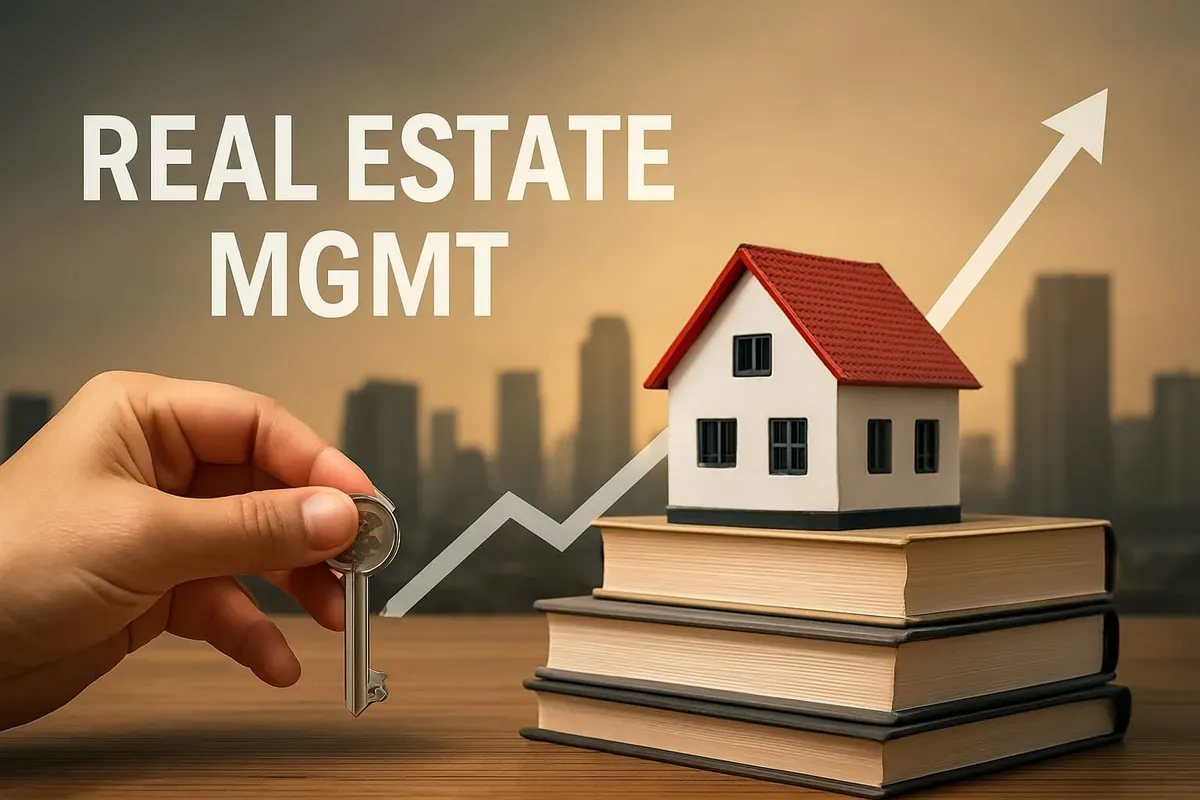
The commercial real estate landscape is evolving faster than ever, driven by shifting demographics, new regulations, and rapidly advancing technology. Traditional strategies alone are no longer enough to stay competitive. This guide provides a practical, data-driven roadmap for real estate management in 2026. You’ll gain insights on emerging market trends, discover how technology is reshaping operations, and learn actionable steps to optimize portfolios, improve efficiency, and manage risk. Whether you’re an owner, operator, or asset manager, this roadmap will equip you with the tools and strategies needed to stay ahead and make confident, informed decisions in today’s fast-changing market.
Understanding the 2026 Real Estate Landscape
The real estate mgmt landscape in 2026 is shifting faster than ever. Demographic changes, new asset classes, and technology are all reshaping how owners and operators plan for success. Let’s break down what’s different, why it matters, and what steps to consider next.
Shifting Market Dynamics
Demographic trends are front and center. The aging population drives demand for accessible multifamily units, while Gen Z renters prioritize flexibility and digital amenities. Urbanization continues, but secondary markets are also seeing growth as remote work persists. Economic pressures are shaping real estate mgmt decisions. Inflation and fluctuating interest rates are impacting cap rates and investment strategies. Capital flows are favoring assets with stable rent rolls and lower OpEx volatility. Regulatory change is accelerating. Rent control policies are evolving in major metros. ESG mandates and zoning reforms are adding new compliance layers. According to recent data, national occupancy rates held steady above 94% in 2024, with rent growth moderating from the previous year. Net absorption in Sun Belt markets outpaced coastal cities, pointing to shifting demand. For a deep dive into these trends, see Emerging Trends in Real Estate® 2026.
Emerging Asset Classes and Opportunities
Real estate mgmt is seeing notable expansion in build-to-rent, co-living, and mixed-use properties. These formats cater to changing renter preferences and diversify income streams. Markets like Austin, Nashville, and Phoenix are reporting above-average NOI growth for build-to-rent. Co-living models are gaining traction among younger renters in urban hubs, while mixed-use assets are capturing both residential and commercial demand.
| Asset Class | 2025 Avg NOI Growth | Key Markets |
|---|---|---|
| Build-to-Rent | 7.5% | Austin, Phoenix |
| Co-Living | 6.2% | NYC, Los Angeles |
| Mixed-Use | 5.8% | Charlotte, Denver |
Investor and Stakeholder Expectations
Transparency and data-driven decision making are now baseline expectations in real estate mgmt. Investors, especially limited partners (LPs), want real-time reporting and clear operational benchmarks. Surveys show that by 2026, LPs are prioritizing sustainability metrics, rent roll visibility, and rapid response to market changes. Owners and operators are adapting by investing in analytics platforms and standardized reporting.
Technology’s Expanding Role
AI, IoT, and automation are transforming how assets are managed. Predictive analytics drive leasing and rent optimization, while IoT-enabled systems support predictive maintenance and energy controls. Automation is streamlining lease-up, rent collection, and compliance tracking. For real estate mgmt teams, this means faster, more informed decisions and stronger portfolio performance. The integration of advanced technology is no longer optional—it’s a competitive necessity.
Building a Future-Ready Real Estate Management Team
The pace of change in real estate mgmt means team capabilities can quickly become outdated. To stay ahead for 2026, building the right team is as important as optimizing assets or adopting new tech. Here’s how I see the future-ready real estate mgmt team shaping up.
Essential Skills and Roles for 2026
Success in real estate mgmt hinges on assembling a multidisciplinary team. The asset manager, data analyst, leasing specialist, and sustainability officer are now core roles. Each brings specialized expertise, but cross-functional collaboration is critical. Agile team structures help organizations respond to market shifts and new regulations. Upskilling in analytics, proptech, and compliance is no longer optional—it’s foundational. For a closer look at how the asset manager role has evolved, I recommend checking out the Real estate asset manager role glossary.
Fostering a Culture of Innovation
Innovation is reshaping real estate mgmt. Teams that pilot new leasing platforms or automate rent rolls often see measurable NOI gains. For example, organizations that launched property tech initiatives in 2024 reported faster lease-up and better resident satisfaction. Remote and hybrid work models have changed how teams interact. Digital collaboration tools are now essential for sharing insights and maintaining operational transparency across portfolios.
Diversity, Equity, and Inclusion
Diverse teams in real estate mgmt consistently outperform more homogenous groups on creative problem solving and risk assessment. Industry benchmarks in 2025 show that companies prioritizing DEI improved both employee retention and resident engagement. Focusing on equity and inclusion also helps teams anticipate regulatory changes and shifting resident expectations. Building a future-ready culture is not just about ticking boxes, but about unlocking smarter, more resilient decision-making for the entire portfolio.
Integrating Technology and Data for Operational Excellence
Staying ahead in real estate mgmt now means moving beyond spreadsheets and gut instinct. We’re seeing a shift to smarter, connected operations where every process and decision is informed by real-time data. Here’s how leaders are building operational excellence for 2026.
Digital Transformation Strategies
Digital transformation in real estate mgmt starts with evaluating new property management platforms. The right solution centralizes rent rolls, automates workflows, and supports integrations with IoT devices. Teams are adopting IoT to enable predictive maintenance and energy management. Smart sensors catch HVAC issues before they escalate, while automated lighting and water systems cut utility costs. Automation is streamlining repetitive tasks, like lease renewals and rent collection. Here’s what I recommend for getting started:
- Assess current tech stack for gaps and redundancies.
- Pilot IoT devices in high-impact areas, such as common spaces.
- Automate routine processes to save time and reduce OpEx.
Data-Driven Decision Making
Data is now the backbone of real estate mgmt. Real-time dashboards give instant visibility into NOI, OpEx, and leasing velocity. With these tools, teams can quickly spot trends and adjust strategy. Benchmarking assets against market comps is easier than ever. For example, dashboards can compare your lease-up pace to submarket averages, helping you identify underperformance early. A simple table can summarize what to track:
| Metric | Why It Matters |
|---|---|
| NOI | Core profitability |
| Occupancy | Demand health |
| Rent Growth | Revenue trends |
| Lease-Up Velocity | Absorption speed |
Having these insights at your fingertips is now a baseline expectation in real estate mgmt.
How AI Analytics Platforms Like Leni Drive Portfolio Performance
AI-powered platforms are raising the bar in real estate mgmt. Tools like Leni automate reporting, benchmark assets, and surface actionable insights for asset managers. These platforms process massive data sets, flag anomalies in rent rolls, and help optimize revenue by identifying pricing gaps. For multifamily owners, that means faster decision cycles and more accurate forecasting. Integration is seamless with most property management systems, and scalability supports portfolios from a single asset to hundreds of buildings. For more on what these tools can do, see these AI tools for real estate management.
Cybersecurity and Data Privacy
With so much data flowing through real estate mgmt systems, cybersecurity is a top concern. Protecting sensitive resident and property information requires strong protocols. Best practices include regular audits, staff training, and multi-factor authentication. In 2023, real estate saw a 20 percent increase in reported data breaches, highlighting the growing threat. Strong data privacy safeguards are now an industry standard for real estate mgmt teams, and should be reviewed regularly.
Optimizing Portfolio Performance: Steps for 2026
Staying competitive in real estate mgmt means being proactive, not reactive. The landscape is shifting quickly, and optimizing your portfolio for 2026 means taking a systematic, data-driven approach. Let’s break down the steps that matter most.
Step 1: Set Clear KPIs and Benchmark Regularly
The foundation of real estate mgmt success is knowing what to measure. Define your critical KPIs, such as:
- Net Operating Income (NOI)
- Occupancy and lease-up pace
- Rent growth and absorption
- Resident satisfaction scores
Benchmark these metrics against peers and market comps. Use third-party data and internal dashboards to spot trends early. Regular benchmarking helps you adapt before small issues become big problems. In real estate mgmt, clarity on KPIs drives better decisions at every level.
Step 2: Enhance Revenue Management
Dynamic pricing is transforming real estate mgmt. AI-powered tools analyze market conditions, competitor rent rolls, and seasonal demand to recommend optimal pricing. Targeted concessions, renewal strategies, and flexible lease terms can boost revenue without increasing churn. For example, properties using data-driven pricing have seen 3–5% higher NOI year over year. By layering in analytics, you can identify underperforming units and adjust incentives in real time. This agility is essential for real estate mgmt teams aiming to outperform the market.
Step 3: Streamline Operational Expenses (OpEx)
OpEx control is where real estate mgmt teams can gain real margin. Focus on:
- Vendor contract audits
- Preventative maintenance programs
- Utility monitoring and management
- Automated invoice processing
Automation platforms are reducing manual errors and speeding up payment cycles. According to Multifamily owners and operators insights, teams that invest in OpEx automation report up to 15% cost savings in the first year. Every dollar saved on OpEx flows directly to NOI, strengthening portfolio performance.
Step 4: Maximize Asset Value Through CapEx Planning
Strategic CapEx planning is a core discipline in real estate mgmt. Use data to prioritize projects with the highest ROI. Analyze before-and-after scenarios to guide investments.
| Project Type | Pre-CapEx NOI | Post-CapEx NOI | ROI |
|---|---|---|---|
| Unit Renovation | $1.2M | $1.38M | 15% |
| Amenity Upgrades | $950K | $1.1M | 16% |
Schedule regular reviews to align CapEx with long-term strategy, not just short-term fixes.
Step 5: Monitor and Adjust Portfolio Strategy
A static strategy is a risk in real estate mgmt. Regularly review your portfolio mix, asset classes, and geographic exposure. Use forecasting tools and scenario planning to stress-test your assumptions against different economic backdrops. Stay close to market signals so you can pivot quickly. Monthly or quarterly reviews keep your strategy responsive and resilient.
Step 6: Foster Resident Engagement and Retention
Resident experience is directly tied to occupancy and NOI. Leverage technology for communication, service requests, and feedback. High engagement reduces turnover and stabilizes cash flow. Statistics show that communities with robust engagement tools maintain occupancy rates 2–4% higher than the market average. In real estate mgmt, every renewal counts toward a healthier bottom line. Important Note: This post is for informational and educational purposes only. It should not be taken as legal, accounting, or tax advice, nor should it be used as a substitute for such services. Always consult your own legal, accounting, or tax counsel before taking any action based on this information.
Navigating Risk and Regulatory Complexity
Staying ahead of risk and regulatory complexity is critical for real estate mgmt teams in 2026. The pace of policy change and evolving investor expectations make it essential to monitor the landscape closely. I focus on three areas: regulatory shifts, risk frameworks, and ESG priorities.
Anticipating Regulatory Changes
Regulatory change is ramping up for real estate mgmt, with new rent control laws, ESG mandates, and zoning reforms on the horizon. Local governments are tightening disclosure rules and pushing sustainability standards. I monitor national and city-level policy updates and use scenario planning to prepare for shifts. For example, evolving rent caps can impact lease-up strategies and NOI forecasting. Recent expert predictions suggest that 2026 will bring even more regulatory scrutiny, especially in multifamily and mixed-use assets. For a deeper look at coming policy and market shifts, see Real Estate Experts Predict The Biggest Housing Market Trends Coming In 2026. Practical steps include:
- Setting up regular compliance audits
- Mapping local versus federal requirements
- Training teams on new reporting standards
Managing Financial and Operational Risks
For real estate mgmt, risk frameworks must evolve with volatility. I use a systematic approach—identifying exposures, modeling scenarios, and stress-testing portfolios. Common risks include:
- Interest rate spikes affecting debt service
- Utility cost surges impacting OpEx
- Vendor or supply chain disruptions
Insurance trends in 2026 show a move toward more granular coverage, especially for climate and cyber risks. Risk transfer mechanisms, like captive insurance or hedging, can help stabilize returns. I recommend documenting risk mitigation steps and reviewing them quarterly for audit readiness.
Environmental, Social, and Governance (ESG) Factors
ESG reporting is now standard for real estate mgmt, shaping both investor appetite and asset value. Green certifications, like LEED or ENERGY STAR, are linked to higher rent rolls and occupancy rates. I track ESG metrics using digital dashboards, benchmarking against peer portfolios. Properties with strong ESG scores often see better cap rates and lower OpEx. The market is rewarding sustainability, especially in regions with stricter disclosure laws. To stay competitive:
- Prioritize energy and water efficiency projects
- Document social impact initiatives
- Prepare for third-party ESG audits
Important Note: This post is for informational and educational purposes only. It should not be taken as legal, accounting, or tax advice, nor should it be used as a substitute for such services. Always consult your own legal, accounting, or tax counsel before taking any action based on this information.
Future Trends and Strategic Priorities for Real Estate Managers
Staying ahead in real estate mgmt means tracking shifts in resident needs, technology, and market cycles. The landscape is changing fast, so here’s where I focus for a future-ready plan.
Adapting to Evolving Resident Expectations
Residents want more than just a place to live. Amenities like coworking lounges, package lockers, and pet spaces are now baseline. Digital services, including mobile leasing and maintenance requests, are essential for real estate mgmt teams who want to boost resident satisfaction. Flexible leasing options are also gaining ground, especially with Gen Z and remote workers. Recent renter surveys reveal a preference for short-term leases and easy digital communication. For a broader look at what’s driving these shifts, see 10 property management trends for 2025.
Scaling with Technology and Automation
AI and automation are transforming real estate mgmt operations. From predictive maintenance using IoT sensors to AI-powered rent rolls and virtual leasing agents, these tools help teams do more with less. Early adopters report faster lease-up and improved NOI. Robotics for property inspections and automated reporting are moving from pilot phase to daily use. Staying current with new tech is now a strategic priority for any manager who wants to remain competitive.
Preparing for Market Cycles and Disruptions
Resilient real estate mgmt depends on agile planning and risk analysis. Scenario modeling tools help teams stress-test portfolios against market shocks. Reviewing historical absorption and recovery data guides better decision-making during downturns. It’s also smart to build flexibility into asset strategies. This includes having contingency plans for OpEx spikes or sudden regulatory changes, so teams can act quickly and minimize impact.
Continuous Learning and Professional Development
Ongoing education is a cornerstone of strong real estate mgmt. Industry certifications, such as CPM and CCIM, keep teams sharp on compliance, finance, and technology. I also recommend tapping into webinars and peer groups for real-world insights. Leading organizations invest in upskilling, especially in analytics and proptech. Prioritizing continuous learning helps teams adapt to new tools, regulations, and resident demands, positioning portfolios for long-term success. Real estate management in 2026 is defined by agility and insight. Understanding market shifts, embracing technology, and monitoring core metrics such as NOI, OpEx, and resident engagement are essential for optimal portfolio performance. Leveraging AI analytics allows managers to anticipate challenges, improve operational efficiency, and make informed decisions. These strategies ensure your assets are not only well-managed but also primed for growth, delivering measurable results and long-term resilience in a competitive market. Let’s take the guesswork out of performance and set you up for real progress.

Leni
Centralize performance signals, surface opportunities, and accelerate data-driven decisions across your multifamily portfolio today.
MEET LENI
Get Portfolio Insights With Leni Analytics
Dive into a live demonstration of Leni Analytics and discover how intuitive data visualization and real-time insights can transform your decision-making process.
Capabilities