Reporting for Multifamily Real Estate
.webp)
Reporting for Multifamily Real Estate
Most multifamily reporting systems do one thing well: they store activity. They track leases, rent collections, work orders, delinquency, and financial line items with precision. Yet owners and operators still spend hours exporting data, reconciling spreadsheets, and rewriting the same portfolio updates for different stakeholders. The problem is not a lack of information. It is the gap between where data lives and the finished reporting work required to run a portfolio well. Reporting for multifamily real estate matters because that gap affects decision speed, operating visibility, and investor confidence.
What Reporting Actually Means for Multifamily Operators
Reporting in multifamily is not just a monthly package of numbers. At its best, it is the system that converts property-level activity into decisions. It helps teams understand what changed, why it changed, and where action is needed next.
That includes more than basic occupancy and income summaries. Effective multifamily reporting should help operators monitor performance across assets, compare actual results against budget, surface exceptions early, and communicate the right level of detail to owners, asset managers, regional operators, and investors.
In practice, strong reporting systems should support five core outcomes:
Reliable visibility into occupancy, collections, leasing velocity, expenses, and net operating income
Faster decision-making by reducing manual consolidation and lag between activity and analysis
Clear accountability through standardized metrics and repeatable portfolio views
Investor-ready communication with outputs that are easy to review and easy to trust
Operational focus by freeing teams from repetitive reporting work so they can spend more time solving problems
Why Manual Reporting Breaks at Portfolio Scale
Manual reporting may work for a small portfolio. It becomes fragile as complexity grows.
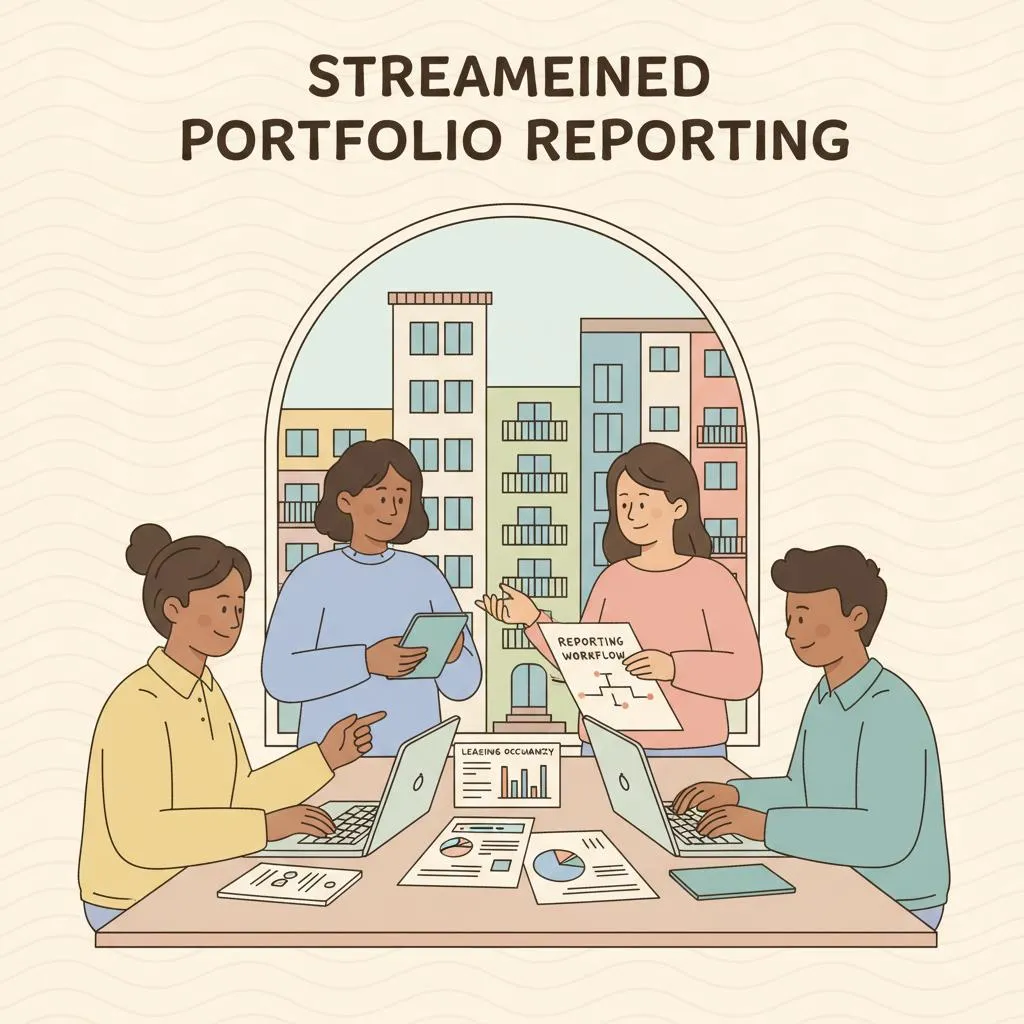
Multifamily operators often manage data across property management systems, accounting tools, local spreadsheets, leasing reports, maintenance platforms, and emailed property updates. Each source may be accurate on its own. The problem appears when teams need to combine them into one view.
That is where reporting slows down. Data exports use different formats. Definitions vary across teams. Version control becomes difficult. By the time a report reaches the people who need it, the numbers may already be stale.
This is why reporting burdens expand so quickly above a modest portfolio size. The work is repetitive, but it is also high stakes. A delayed leasing trend, a missed variance, or an overlooked expense issue can distort performance discussions and postpone corrective action.
The operational cost is just as important. Time spent rebuilding the same reports every week or month is time not spent improving revenue, reducing expense leakage, or addressing tenant retention issues.
Direct Integration Matters More Than Better Spreadsheets
The foundation of good multifamily reporting is direct access to the systems where portfolio data already lives. For many operators, that means platforms such as Yardi, RealPage, Entrata, MRI, AppFolio, or other property and accounting systems.
Without integration, reporting depends on exports. Exports create friction. They also create risk. Teams may pull different date ranges, exclude fields unintentionally, or work from outdated files saved locally. Small inconsistencies at the start of the workflow often become larger reporting errors downstream.
Integrated reporting systems reduce those problems by pulling data directly and consistently. That makes the reporting process more repeatable and improves trust in the output.
For multifamily teams, integration should not stop at structured system data. Important context also lives in rent rolls, lender packages, operating statements, market reports, and investor materials. The most useful reporting environments can combine both system data and document-based information when needed.
What Effective Multifamily Reporting Systems Should Include
Not every reporting tool solves the same problem. Some platforms store data well. Some visualize it. Fewer systems actually reduce the amount of work required to produce analysis. If the goal is better reporting for multifamily real estate, several capabilities matter more than the rest.
Automated data consolidation Reporting should pull from property systems without requiring repeated exports and manual cleanup.
Recurring report workflows Weekly, monthly, and quarterly reports should run on schedule with current data and predefined templates.
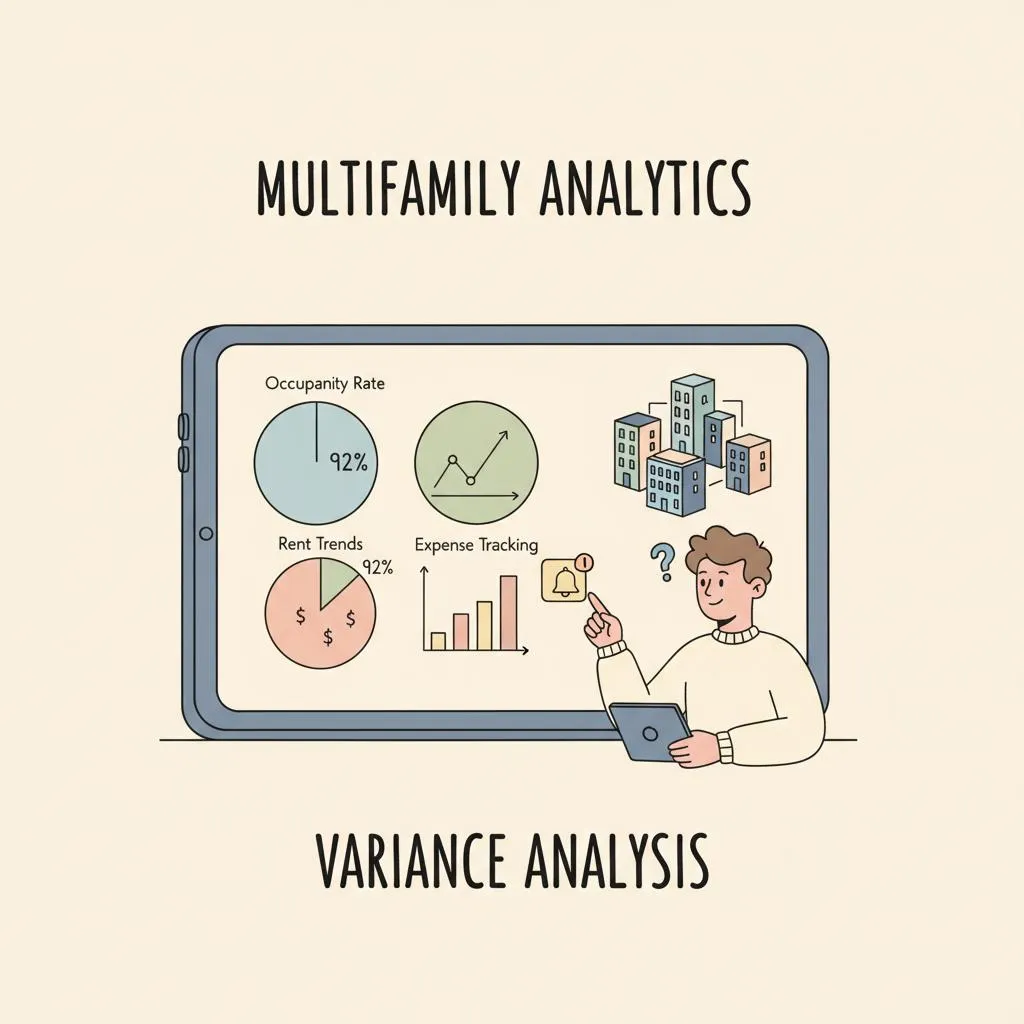
Variance analysis Teams should be able to see where occupancy, revenue, concessions, collections, payroll, repairs, or other key metrics are moving against plan.
Exception flagging Good systems do not just show metrics. They identify what needs attention, such as unexpected delinquency increases, occupancy declines, or expense spikes.
Stakeholder-specific outputs Regional managers, asset managers, executives, and investors do not need the same report. Reporting should adapt to the audience.
Document intelligence Some reporting workflows require pulling information from PDFs, operating statements, or supporting materials in addition to structured databases.
Source transparency Users should be able to understand where a number came from, especially when reporting supports lender, investor, or board discussions.
Collaboration and consistency Standardized outputs reduce debate over formatting and definitions so teams can focus on performance.
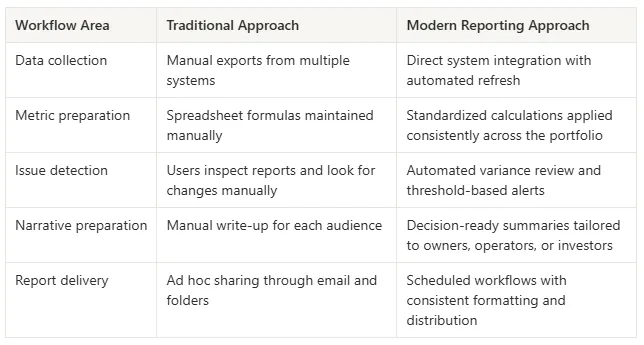
Traditional Reporting Versus Modern Reporting Workflows
Where Reporting Creates the Most Value in Multifamily
The highest-value use cases are usually the most repetitive and the most visible.
Portfolio Performance Monitoring
Operators need a reliable view of occupancy, collections, rent growth, delinquency, bad debt, concessions, and operating expenses across assets. Reporting should make those patterns visible quickly, especially when one property begins to drift from the rest of the portfolio.
Leasing and Retention Analysis
Reporting should show more than signed leases. It should help teams evaluate traffic, applications, approvals, renewals, move-outs, and conversion trends. That makes it easier to understand whether softness comes from pricing, product, operations, or competition.
Expense and Variance Review
Expense reporting becomes more useful when operators can isolate major drivers rather than just review totals. Repairs and maintenance, payroll, utilities, insurance, and taxes all need context. A report should tell you where variance exists, whether it is temporary, and which properties need immediate follow-up.
Investor and Ownership Reporting
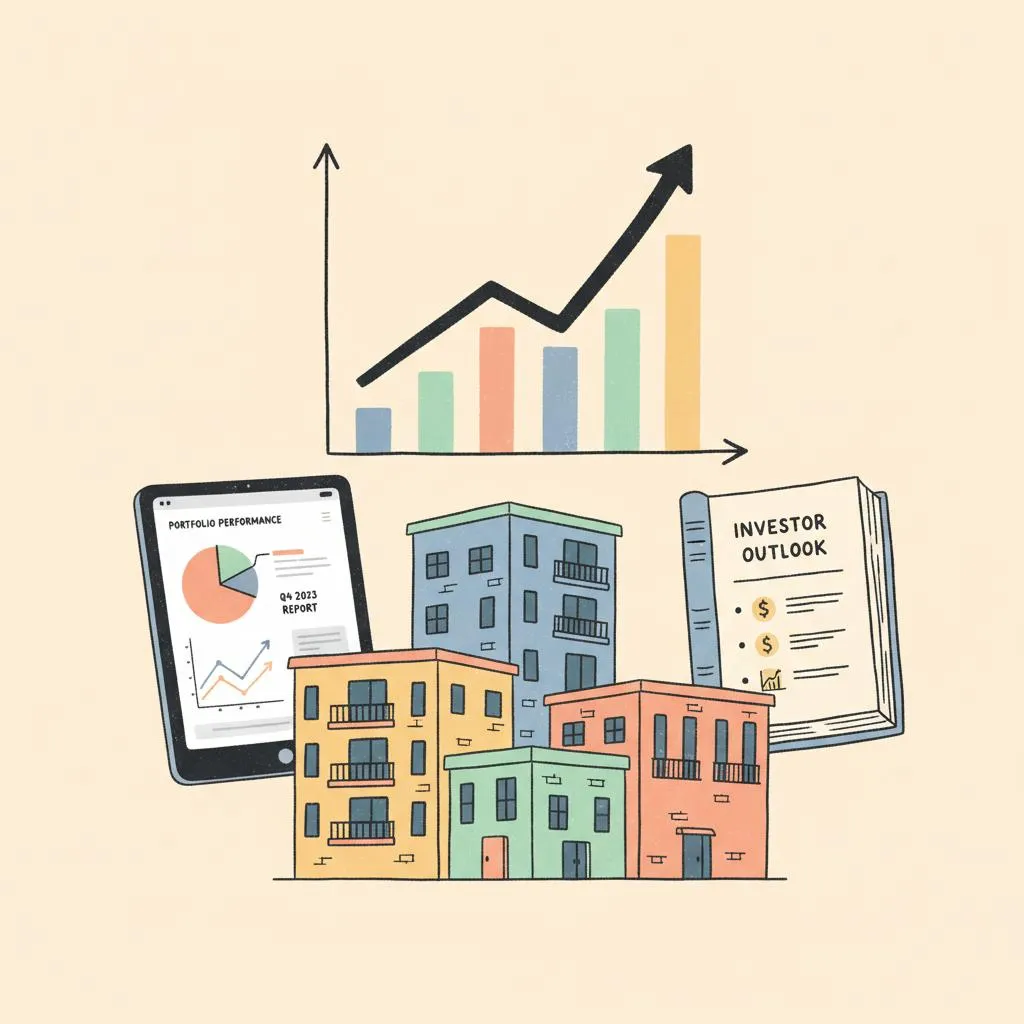
Ownership groups want concise updates that explain performance clearly. That means reporting should combine numbers with interpretation. A rent decline, occupancy gain, or operating margin shift is more useful when paired with a short explanation of what changed and what management is doing next.
Choosing the Right Reporting Platform
Multifamily teams evaluating reporting tools should look beyond dashboard quality. Attractive charts do not solve the reporting problem on their own. The better question is whether the platform reduces manual work while improving clarity and trust.
Useful evaluation criteria include:
Does it connect directly to your existing systems?
Can it handle both structured portfolio data and supporting documents?
Does it standardize recurring reports instead of recreating them each cycle?
Can it surface exceptions automatically rather than waiting for manual review?
Are outputs traceable and easy to validate?
Can different stakeholders receive different reporting views without duplicating work?
Does it fit the way multifamily teams actually operate?
This distinction matters. Generic business intelligence tools may visualize portfolio data effectively, but they still require teams to define logic, maintain dashboards, interpret outputs, and build the final deliverable. Purpose-built reporting platforms go further by helping complete the work itself.
How Leni Fits Into Multifamily Reporting
Purpose-built platforms like Leni are designed to close the gap between raw portfolio data and finished reporting output. Rather than serving only as a dashboard layer, Leni is built for real estate teams that need analysis, narrative, and deliverables, not just visualization.
Leni can turn documents and connected data into automated reporting, research, and decision-ready materials for real estate teams. That includes recurring portfolio reporting, performance summaries, variance analysis, and stakeholder-ready outputs that are easier to validate and faster to produce. Once connected to operating systems, it can also support repeatable workflows such as scheduled reporting and anomaly surfacing.
The practical advantage is not simply speed. It is consistency. Teams can spend less time gathering and formatting information and more time acting on what the reporting shows.
Conclusion
Reporting for multifamily real estate is no longer just an administrative task. It is a core operating function that shapes how quickly teams spot issues, communicate performance, and make portfolio decisions. The best reporting systems do more than collect numbers. They connect data sources, reduce manual work, explain change, and help the right people act faster.
As portfolios grow, that shift becomes more important. Manual reporting processes create delay and noise. Better reporting systems create visibility and momentum. That is the real opportunity: not just producing more reports, but producing reporting that improves performance.

Johanna Gruber
Johanna has spent the last 8 years helping marketing teams connect with audiences through content. Specializing in B2B SaaS and real estate.
Curious About AI?
Join the largest AI community for real estate online. Get bite-sized, real-world use case videos, plus practical tips and proven strategies from top industry experts on adopting AI effectively.
MEET LENI
AI SuperAgent Purpose Built for Investors and Operators.
Experience how professionals and teams in your domain are getting the edge using AI.