Using Real Estate Market Analytics to Stay Ahead of Trends
.webp&w=1920&q=75)
Using Real Estate Market Analytics to Stay Ahead of Trends
Do you want to remain ahead of the competition by making better real estate decisions? If so, it is crucial to stay ahead of market trends in order to succeed in the industry of real estate. With the use of market analytics, stakeholders may easily predict future trends, obtain an understanding of current circumstances, and make well-informed real estate market judgments.
Most real estate teams fall behind because pricing data, leasing signals, market reports, and operating performance are spread across too many places to interpret quickly. When conditions change fast, the firms that can connect those signals early gain a meaningful edge.
Therefore, whether you make smart judgments or not, whether you are a first-time buyer, an investor, or even a seller, real estate market analytics helps you track trends. According to the report – The MarketsandMarkets analysis estimates that at the compound annual growth rate, the global commercial real estate analytics market may reach $13.4 billion by 2024 from $5.5 billion in 2019.
For investors, operators, asset managers, and acquisition teams, the goal is not simply to read more market reports. The goal is to identify changes in rent pressure, supply risk, demand trends, and competitive behavior early enough to make better decisions on acquisitions, pricing, leasing, and hold strategy.
However, we will explore how real estate market analytics work and how you can use them to stay ahead. This guide will make navigating the market easier and more accessible.
What is Real Estate Market Analytics?
It refers to data collection on the real estate market to make the best decisions possible when buying, selling, renting, or even managing property. For example, if you wish to know property prices, then analytics can offer updates such as the growing neighborhoods in popularity or even the types of homes that people are demanding at the moment.
By analyzing this data, individuals can assume what might happen in the market, avoid risks, and find good opportunities.
In practice, this means combining rent growth, vacancy, absorption, supply pipeline, concessions, sales comparables, demographic shifts, and local economic indicators into one usable view of the market. Analytics becomes powerful when it helps people answer real questions such as where to invest, how to price, when to refinance, or whether a market is becoming more competitive.
How to stay ahead of real estate trends using analytics:
1. Track Price Trends Regularly:
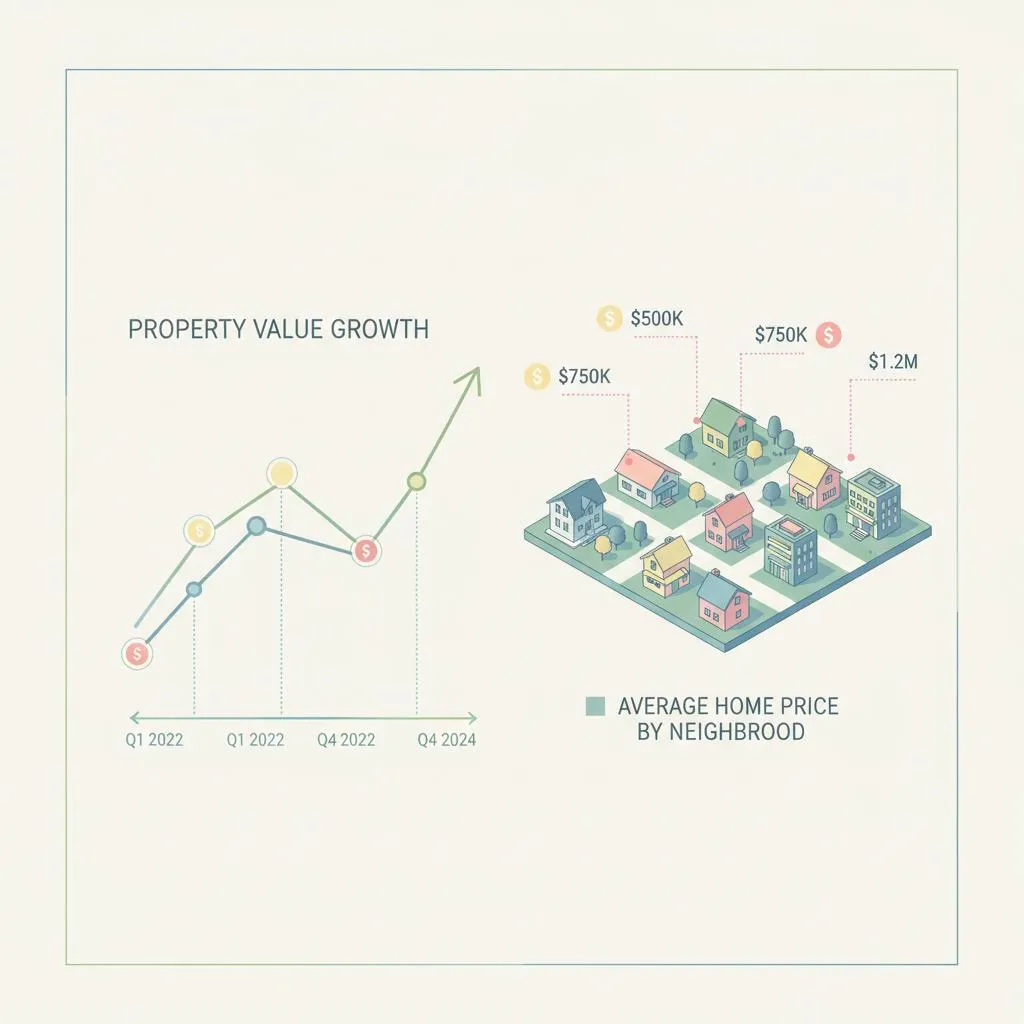
Make sure to always stay ahead of real estate trends to keep an eye on property prices. To keep updated regarding property prices, the real estate analytics platform can show you everything necessary for the individual when they are looking for property. Pricing increases in a certain location could indicate that it’s growing in demand as a place to live or invest. Therefore, you may use this information to help you decide when to buy or sell.
2. Look for Emerging Neighbourhoods:
By analyzing data on new businesses, schools, crime rates, schools, and public services, people can find areas where property values are likely to rise in the future. Moreover, you can secure a property at a lower price and sell it for a profit as the area develops.
3. Monitor Rental Demand:
Want to invest in rental properties? It is crucial to understand the rental demand. Market analytics show you which areas have high demand for rental properties, such as places close to colleges, and businesses. Knowing this data can help you choose the right property and avoid vacant properties.
4. Use Predictive Analytics for Future Trends:
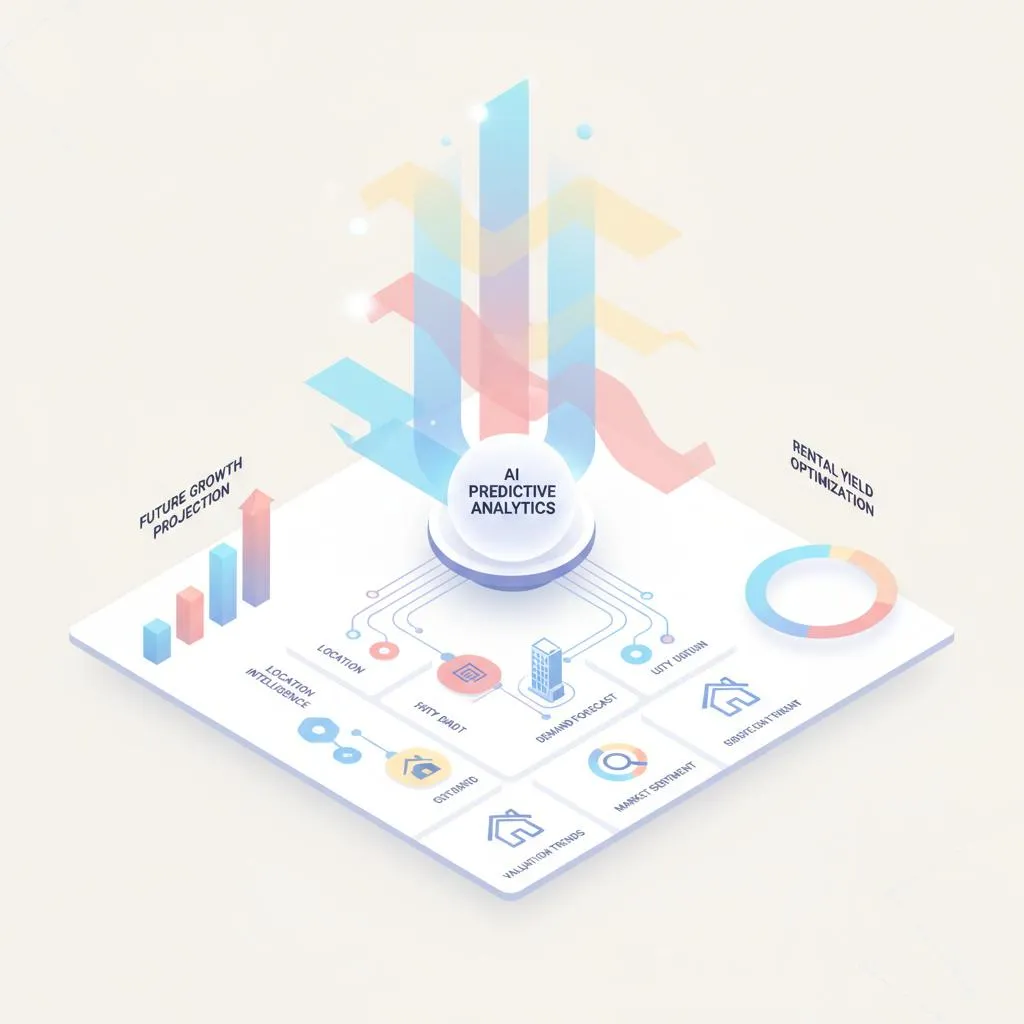
If you want to forecast what might happen in the real estate market, predictive analytics can help you oversee the real estate market based on current data. With the usage of algorithms, you can analyze historical trends and predict future changes in the market.
By using these tools, you can see where prices might go or which areas will see growth. If you use predictive analytics correctly, you can make decisions that put you ahead of other buyers or investors by acting before the trends are fully realized.
5. Understand Economic Indicators:
The economy plays a crucial role in shaping the real estate market. Moreover, with factors like local job growth, interest rates, and unemployment levels, you can get a clearer image of how the market might change.
For example, lower interest rates can make buying a home more affordable, while an increase in employment can drive up demand for properties. Paying attention to these economic indicators can help you decide the best time to buy, sell, or hold onto your home.
Challenges in Real Estate Market Analytics
1. Data Quality and Accuracy:
In real estate market analytics, making sure the data you utilize is accurate and trustworthy is one of the most difficult tasks. Incomplete or out-of-date data may result in inaccurate results.
If your data doesn’t represent the present scenario of the market, you might make poor decisions. Make sure your data sources are reliable and current at all times to avoid this. Remember that even minor data mistakes might significantly affect your investment decisions.
2. Complexity of Data Interpretation:
Real estate data analysis can be very complex, and interpreting it correctly is not always correct. For example, market trends, price fluctuations, and demographic shifts might seem confusing.
You might interpret the numbers incorrectly if you have no idea of the context and patterns they represent. To make sense of the data and make better judgments, you might have to hire an expert. Therefore, it is crucial to learn how to properly read and analyze the data.
3. Market Volatility:
As real estate markets are experiencing rapid change, it is challenging to make accurate predictions about trends. Several factors, such as shifts in the economy, interest rates, or even natural disasters, can cause prices to rise or fall.
Moreover, data can also give you an idea of where the market might go, sudden changes can still cause surprises. Being aware of this risk will help you adjust your strategies accordingly and minimize losses.
4. Limited Availability of Local Data:
At times, it can be difficult to get specific data about a local real estate market. Trend analysis may be challenging in small or remote areas due to the lack of detailed data. With not enough data, you will not be in a position to make informed decisions regarding the purchase or sale of a property. To overcome this, you may need to rely on more general data from broader regions and adjust your decisions based on your knowledge of the local area.
5. Over Reliance of Historical Data:
Most of the real estate analytics tools focus on historical data. But past performance is not always indicative of future performance. Relying too much on historical data can cause you to miss emerging trends or shifts in the market. In considering current factors like changes in the economy or consumer behavior, it would be necessary to account for historical data.
6. Understanding Consumer Behavior:
Accurately predicting consumer behavior is a common challenge for real estate analytics. Preferences can shift rapidly, and people can make their purchases on unreasonable emotions or preferences that are hard to monitor using data.
For example, if a new job hub is created nearby, people may want to move there, even if the market data doesn’t suggest it. It can be difficult to predict these changes, therefore it’s essential to keep up with local and news developments to understand changes in customer behavior.

Future of Real Estate Market Analytics:
1. Increased Use of Artificial Intelligence (AI):
Real estate analytics mostly focus on analyzing data to predict future trends. By analyzing patterns and identifying key insights, you can make better decisions and avoid mistakes.
Therefore, these tools help you stay ahead of the competition by providing a clearer picture of where the market is headed. As technology advances, these methods will become even more accurate and reliable for understanding market trends.
2. Better Data Accessibility:
With the rapid growth of technology, data is becoming more accessible to everyone. You can easily get information about markets, property prices, and trends. As well as having this data at your fingertips makes it easier to make smart decisions when buying or selling.
Moreover, Mobile apps and online platforms are also improving, allowing you to track market changes from anywhere and giving you greater control over your investments.
3. Integration of Smart Devices and IoT:
In the coming years, smart devices and the Internet of Things (IoT) are set to transform real estate analytics. Features like energy usage, security systems, and even local neighborhood trends will offer valuable insights to guide your decisions.
For instance, a home with improving energy efficiency could see its value grow over time. With more data to consider, you’ll gain a better understanding of the market and identify which properties are likely to be in high demand.
4. Real-Time Market Insights:
Digital platforms and mobile apps now make it easier than ever to access real-time market insights. You can track market conditions in any neighborhood, keeping an eye on price changes, rental rates, and inventory levels.
With this up-to-date information, you can act fast and make decisions confidently before the market shifts. Whether you’re buying, selling, or investing, real-time data gives you a clear advantage.
Conclusion
For making informed decisions, real estate analytics plays an essential role whether you are buying, selling, or investing in property. You can stay ahead in the ever-changing market by tracking records, using predictive tools, and staying updated on economic indicators. Stay informed, adapt to changes, and use your insights wisely to secure your place in the competitive world of real estate.
Leni offers an advanced solution for real estate professionals who want to make use of AI. Leni’s AI-powered analytics and smooth integration enable property managers to track important KPIs, optimize their portfolios, and streamline operations. Schedule a demo today to see how Leni Co may transform your property management strategy and get an in-depth look at the real estate sector for the future.
FAQs:
1. How do you analyze market trends in real estate?
Analyze the trends in real estate markets through data such as property prices, demand, and economic indicators regularly. The strongest trend analysis combines property-level metrics such as rents, vacancy, absorption, and concessions with market-level indicators such as job growth, migration, supply pipeline, and interest rates.
2. How is data analytics used in real estate?
In the real estate market, data analytics is used to analyze market trends, and historical data to make informed decisions about buying, selling, and managing properties. In practice, data analytics helps teams compare submarkets, validate underwriting assumptions, monitor competitive properties, and identify risks before they show up in financial performance.
3. How do you keep track of the real estate market?
By using reliable data sources, market reports, and digital tools you can keep track of the real estate market. A useful approach is to monitor high-frequency signals such as rents, concessions, and inventory regularly, while reviewing broader demographic, supply, and capital market trends on a scheduled basis.
4. What is predictive analytics in real estate?
It refers to using historical data, statistical algorithms, and machine learning techniques to forecast future outcomes based on property values, and market trends. It can be used to estimate leasing demand, rent pressure, timing risk, and the likely impact of new supply or economic changes on future property performance.

Johanna Gruber
Johanna has spent the last 8 years helping marketing teams connect with audiences through content. Specializing in B2B SaaS and real estate.

Curious About AI?
Join the largest AI community for real estate online. Get bite-sized, real-world use case videos, plus practical tips and proven strategies from top industry experts on adopting AI effectively.
MEET LENI
AI SuperAgent Purpose Built for Investors and Operators.
Experience how professionals and teams in your domain are getting the edge using AI.
