The Power of Transparency: How Data Shapes Human Behavior in Real Estate
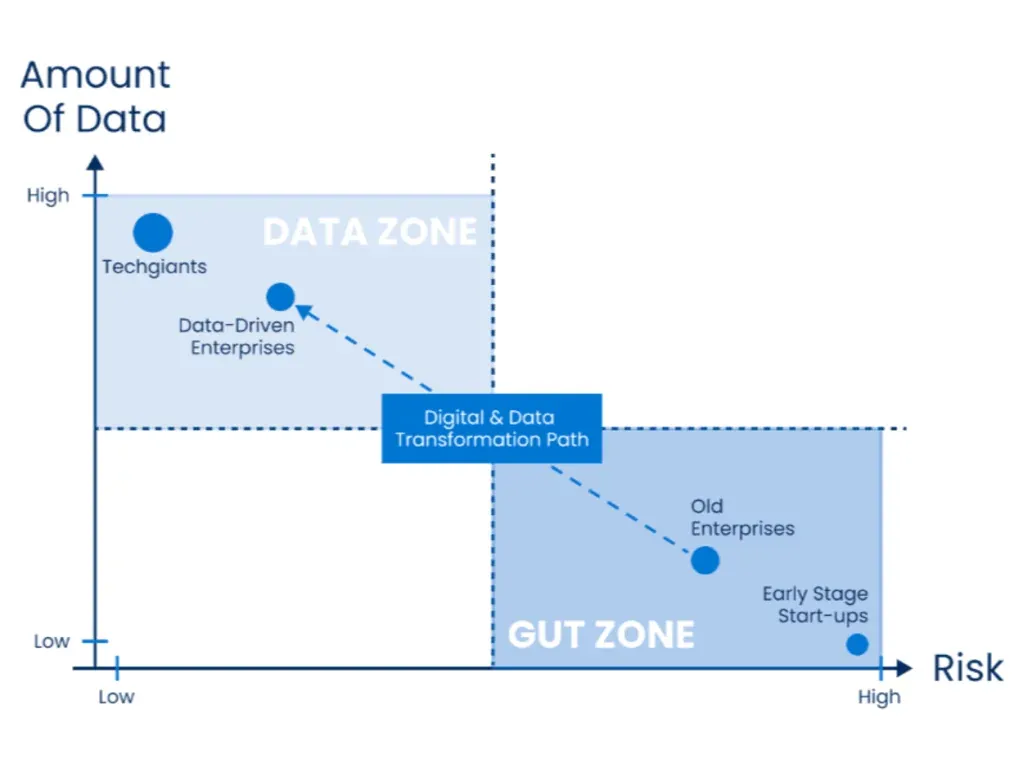
In the ever-evolving landscape of real estate, particularly in the multifamily sector, the role of transparent data has become increasingly pivotal. This article explores how the accessibility and clarity of information influence human behavior, reshape team dynamics, and impact overall organizational performance. According to a recent study by Deloitte, 62% of companies with a strong data-driven culture report significant improvements in decision-making processes.
Get Portfolio Insights With Leni Analytics
The Evolutionary Perspective: Our Innate Drive for Information
To understand why transparent data is so powerful in shaping behavior, we must first look at our evolutionary history. As Yuval Noah Harari points out in “Sapiens,” humans have always thrived on information sharing. Our ancestors’ ability to communicate complex ideas and share knowledge about their environment was crucial for survival and social cohesion.
In the context of real estate, this innate drive for information manifests as a desire for clarity in market trends, property performance, and team dynamics. When data is transparent and readily available, it taps into our evolutionary instinct to gather and use information for better decision-making and group coordination. A study by the MIT Sloan Management Review found that organizations that embrace data transparency are 5 times more likely to make decisions faster than their competitors.
Incentive Alignment in Multifamily Teams
Transparent data plays a crucial role in aligning incentives within multifamily real estate teams. When performance metrics, market insights, and operational data are openly shared, it creates a common ground for all team members. This transparency fosters a sense of shared purpose and collective responsibility. A survey by Gallup found that teams with high transparency scores are 2.2 times more likely to be engaged in their work.
- Clear Performance Metrics: When team members can see how their individual efforts contribute to overall property performance, it creates a stronger sense of ownership and motivation. Companies that implement transparent performance metrics report a 30% increase in employee productivity.
- Market Insights: Sharing data openly allows teams to make informed decisions collectively, improving the quality of strategic planning. Real estate firms that openly share market insights with their teams see a 25% improvement in decision accuracy.
- Operational Efficiency: Transparency in operational data helps identify bottlenecks and inefficiencies, encouraging collaborative problem-solving. Organizations with high operational transparency report a 20% reduction in operational costs.
The Psychological Impact of Transparency
The human mind craves certainty and control. Transparent data in the real estate industry caters to these psychological needs:
- Reduced Uncertainty: Access to clear, reliable data reduces anxiety and improves decision-making confidence. A study by Harvard Business Review found that employees in high-transparency organizations report 70% less stress related to decision-making.
- Increased Trust: When information is freely shared, it builds trust between management and employees, as well as between real estate professionals and clients. Companies with high levels of internal transparency report a 50% increase in trust scores.
- Empowerment: Data transparency empowers individuals to take initiative and make informed decisions, fostering a sense of autonomy and responsibility. Empowered employees are 67% more likely to report high job satisfaction.
The Logical and Statistical Relationship: Transparency, Empowerment, and Retention
The power of data transparency in shaping employee behavior and reducing attrition in the real estate sector is best illustrated through real-world examples from owner-operators:
Empowered Decision-Making at a Mid-Size Multifamily Operator: A property manager at a mid-size multifamily owner-operator shares, “When our company introduced a transparent data dashboard, it revolutionized how I approach my job. I can now make informed decisions about property improvements and marketing strategies based on real-time occupancy and revenue data. This autonomy has significantly boosted my job satisfaction and performance.” This owner-operator reported a 25% increase in property manager retention since implementing this system.
Performance Visibility at a Large-Scale Residential Portfolio: A leasing agent at a large-scale residential portfolio owner-operator recounts, “The introduction of transparent performance metrics was a game-changer. Seeing my impact on our overall leasing goals in real-time motivates me daily. It’s not just about the numbers; it’s about the tangible difference I’m making.” This company saw a 35% reduction in staff turnover within the first year of implementing transparent performance systems.
Career Growth at a Regional Mixed-Use Developer: A regional manager at a mixed-use property developer and owner-operator explains, “Access to company-wide data and market trends helped me identify growth opportunities within our organization. Instead of looking elsewhere for career advancement, I was able to chart my path right here.” This firm reports that 40% of their management positions are now filled through internal promotions, up from 15% before implementing their data transparency initiative.
These stories highlight how data transparency not only improves organizational metrics but also profoundly impacts individual careers and job satisfaction in owner-operated real estate companies.
Studies have shown that organizations with high levels of transparency experience up to 30% lower turnover rates compared to those with low transparency. In the real estate industry, where relationships and local market knowledge are crucial, retaining talented professionals through transparency can significantly impact an organization’s success.
Implementing Transparency in Real Estate Operations
To harness the power of transparent data in shaping positive behaviors:
- Invest in Data Infrastructure: Implement robust systems that collect, analyze, and disseminate real-time data across the organization. According to a report by JLL Technologies, real estate companies that invest in advanced data infrastructure see up to 40% improvement in operational efficiency and decision-making processes.
- Foster a Culture of Openness: Encourage open communication and data sharing at all levels of the organization. A survey conducted by the National Multifamily Housing Council (NMHC) found that owner-operators who foster a culture of openness and data sharing report a 25% increase in operational efficiency and a 20% improvement in employee satisfaction. This transparency not only enhances innovation but also strengthens collaborative problem-solving across various departments, from property management to asset optimization.
- Provide Data Literacy Training: Ensure all team members can interpret and use the available data effectively. A study by Altus Group found that real estate organizations providing comprehensive data literacy training report a 28% increase in data-driven decision making and improved market responsiveness.
- Regular Data Reviews: Conduct periodic reviews of key metrics with teams to ensure alignment and identify areas for improvement. CBRE’s Global Workplace Solutions division reports that companies holding regular data reviews see a 35% improvement in goal achievement and property performance optimization.
The Path Forward: Embracing Transparency in Real Estate
In the multifamily real estate industry, transparent data transcends mere decision-making tools; it’s a catalyst for behavioral change, incentive alignment, and organizational triumph. By harnessing the evolutionary, psychological, and statistical impacts of transparency, real estate professionals can foster more engaged, efficient, and successful teams.
As we navigate the digital era, those who champion data transparency will not only witness enhanced performance metrics but will also nurture a work environment that resonates with our fundamental human needs for information, certainty, and community. The evidence is clear: real estate firms fully embracing data transparency report up to 23% higher profitability compared to their less transparent counterparts, underlining the transformative power of openness in our industry.

Leni
Centralize performance signals, surface opportunities, and accelerate data-driven decisions across your multifamily portfolio today.
MEET LENI
Get Portfolio Insights With Leni Analytics
Dive into a live demonstration of Leni Analytics and discover how intuitive data visualization and real-time insights can transform your decision-making process.

Capabilities