How Property Portfolio Management Platform Drive Performance
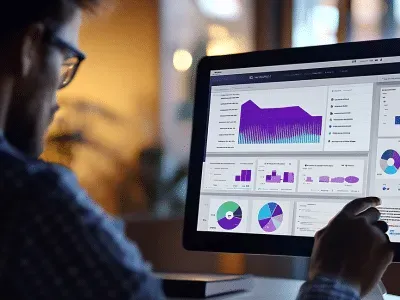
CRE teams are practically swimming in data. Rent rolls, operating statements, capital plans, market updates, lender requirements, and investor questions all arrive in different formats from different systems. The portfolio itself may be growing, yet the information used to manage it often feels scattered.
This is why the top property portfolio management platforms are increasingly being adopted into CRE firms. They exist to connect information into a coherent view that helps leaders make more informed and confident decisions.
Let’s dive in to explore what property portfolio management platforms actually do and how they can help your firm.
What Are Property Portfolio Management Platforms?
Property portfolio management platforms help owners and asset managers oversee multiple properties from one place. They organize information, surface patterns, and support decisions at the portfolio level rather than forcing teams to piece insights together.
In multifamily and commercial real estate, this is crucial. Portfolio performance is shaped by relationships between assets, markets, operators, and capital structures. A tool that only shows isolated metrics can feel like reading individual chapters without ever seeing the plot.
What Property Portfolio Management Platforms Can Do
Not all platforms deliver the same value. The capabilities below tend to separate systems that support real decision-making from those that simply collect data.
Unify Data Across Systems
Most CRE portfolios rely on a mix of property management software, accounting systems, spreadsheets, and operator reports. Manually reconciling all this data creates uncertainty.
Real estate portfolio management software addresses this by:
- Integrating data across PMS platforms, spreadsheets, and third-party reports
- Normalizing metrics so figures match across teams and stakeholders
- Eliminating version control issues
- Establishing a consistent source of truth for portfolio performance
Unifying your data is convenient, yes, but it also builds credibility. When leadership asks a question, teams need confidence that their answer reflects the same underlying data everywhere.
Analyze and Benchmark Portfolio Performance
Portfolio decisions depend on comparison. After all, performance gains and losses only make sense in relation to other assets within the same portfolio.
The top property portfolio management software empowers asset managers to:
- Compare assets using consistent definitions and assumptions
- Identify performance variance by category such as revenue, expenses, or occupancy
- Separate asset-specific issues from portfolio-wide trends
- Support capital reallocation decisions with evidence rather than instinct
Investor and Stakeholder Reporting
Investor communication remains one of the most time-intensive responsibilities for asset managers. Accuracy, consistency, and clarity all matter.
Property investment management software helps by:
- Reducing manual work tied to recurring LP updates
- Maintaining consistent narratives across decks, emails, and meetings
- Supporting transparency without overwhelming stakeholders with raw data
- Allowing teams to respond quickly to follow-up questions
For many CRE teams, improving investor reporting alone justifies the cost of a portfolio management platform.
Types of Property Portfolio Management Platforms
The market for portfolio management platforms generally falls into three categories. Each reflects a different approach to managing information.
Traditional Portfolio Management Systems
Traditional systems prioritize recordkeeping and compliance. They store historical data, support audits, and maintain documentation.
The pros:
- Strong data retention and documentation
- Compliance and audit support
- Familiar workflows for accounting and reporting teams
The downsides tend to appear during analysis. Generating insights usually requires exports, spreadsheets, and manual interpretation.
Business Intelligence and Reporting Tools
Business intelligence tools focus on visualization. Dashboards and charts make trends easier to see at a glance.
Common characteristics of BI tools include:
- Highly customizable dashboards
- Strong charting and visualization capabilities
- Flexibility across data sources
The limitation is interpretation. These tools show what is happening, but explaining why and prioritizing information is still a manual process.
Portfolio Intelligence and AI-Driven Platforms
This category reflects a shift in how teams interact with data. Instead of navigating dashboards, users ask questions and receive answers grounded in the context of their portfolio.
Platforms built around real estate portfolio intelligence typically offer:
- Conversational access to portfolio data
- Retained historical context across questions
- Explanations tied to portfolio logic rather than static KPIs
- Faster insight without adding more analysts to the team
Adoption of AI-driven property portfolio management platforms is growing among teams that value speed and clarity without sacrificing rigor.
How Asset Managers Use Property Portfolio Management Platforms Day to Day
Weekly Performance Reviews
Weekly reviews help asset managers spot issues early. The goal is not to perform an exhaustive analysis, but to prioritize what matters most.
The top property portfolio management platforms support this by enabling teams to:
- Identify emerging performance issues before month-end
- Track variance trends across assets and operators
- Focus attention on exceptions that require follow-up
- Reduce time spent preparing reports
This shifts effort away from data gathering and toward judgment.
Investor Calls and Board Meetings
Investors’ questions rarely arrive with advance notice. Confidence in your answers depends on immediate access to reliable data.
The right platform allows you to:
- Respond to ad hoc questions without rebuilding reports
- Ensure answers align with previously shared materials
- Maintain a consistent narrative across stakeholders
- Reduce pre-meeting preparation stress
The result is steadier communication and greater trust among investors.
Strategic Planning and Capital Allocation
Long-term planning relies on pattern recognition across time and assets.
Portfolio management platforms support this work by helping teams:
- Analyze historical performance across cycles
- Evaluate tradeoffs across markets and asset classes
- Inform hold, sell, or reinvest decisions with portfolio-level insight
- Align capital strategy with actual asset behavior
Over time, this creates a feedback loop that strengthens decision-making discipline.
The Best Property Portfolio Management Platform
The strongest property portfolio management platforms elevate decision-making without creating extra work. They deliver clarity, confidence, and consistency across portfolios.
Leni was built with this purpose in mind. As your AI-powered business analyst trained specifically on real estate, Leni connects fragmented data, retains portfolio context, and delivers answers in plain language. Asset managers ask questions the same way they would in a meeting, and Leni responds with insight that reflects the portfolio’s history, structure, and priorities.
For CRE teams seeking a platform that thinks at the portfolio level, Leni turns information into action and reporting into strategy.
Get a demo of Leni to see how portfolio intelligence can support faster, more confident decisions across your portfolio

Leni
Centralize performance signals, surface opportunities, and accelerate data-driven decisions across your multifamily portfolio today.
MEET LENI
Get Portfolio Insights With Leni Analytics
Dive into a live demonstration of Leni Analytics and discover how intuitive data visualization and real-time insights can transform your decision-making process.

Capabilities